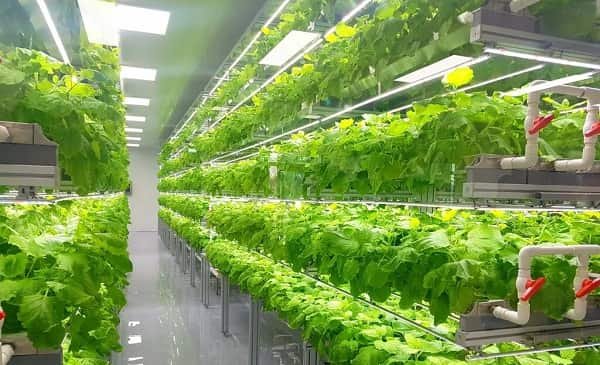
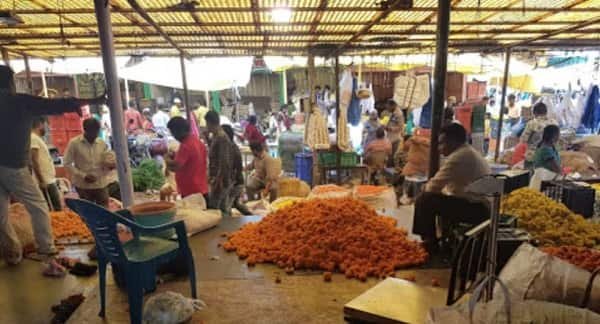
A few decades ago, most Indians naturally consumed food that was close to what people today call “organic.” Vegetables came directly from farms, grains were less processed, and chemical-free farming was far more common in villages.
But modern agriculture, packaged foods, preservatives, pesticides, and large-scale commercial farming gradually changed consumer habits. Today, many urban consumers are becoming increasingly conscious about food quality, nutrition, chemical exposure, and long-term health.
This shift has created a strong market for organic groceries.
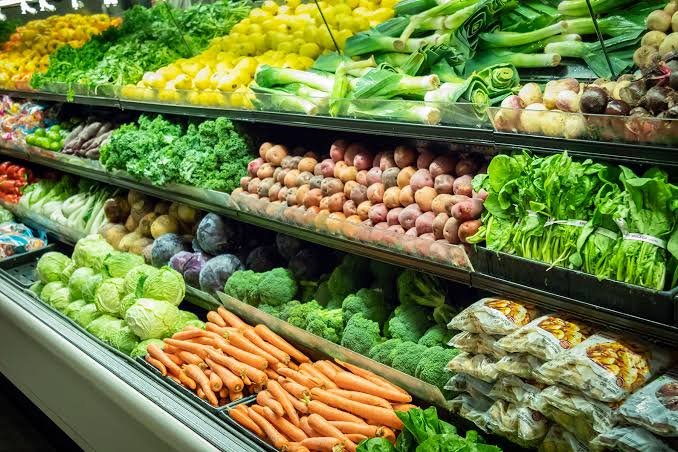
From organic vegetables, pulses, rice, spices, cold-pressed oils, and millets to chemical-free fruits, herbal products, and healthy snacks, organic stores are now attracting health-conscious families, fitness-focused consumers, and premium urban buyers.
At the same time, rising lifestyle diseases, fitness awareness, yoga culture, and clean-eating trends are pushing more people toward natural and organic food products.
This has transformed organic grocery retail into one of India’s fastest-growing lifestyle and wellness businesses.
Unlike ordinary grocery stores that compete heavily on discounts and mass-market pricing, organic grocery businesses often operate through trust, quality perception, and premium customer positioning.
A Business Connected to Health and Wellness Trends
India’s health-focused food market continues expanding rapidly.
Several factors continue driving organic-food demand:
- Rising health awareness
- Growing fitness and wellness culture
- Concerns about pesticides and chemicals
- Increasing disposable income in cities
- Growth of premium grocery shopping
- Expansion of online organic-food delivery
Consumers today increasingly prefer food products they perceive as healthier and safer.
Types of Organic Grocery Businesses
1. Physical Organic Grocery Store
Retail shop selling organic food and wellness products.
2. Online Organic Grocery Business
Website or app-based organic delivery model.
3. Farm-to-Consumer Organic Store
Direct sourcing from farmers and organic farms.
4. Organic Supermarket and Wellness Store
Large-format premium health-food retail.
5. Specialty Organic Product Store
Millets, herbal products, gluten-free, or vegan-focused stores.
6. Subscription-Based Organic Delivery Business
Weekly fresh-produce and grocery delivery plans.
Investment Required: Moderate
Organic grocery businesses require inventory management, branding, and reliable sourcing systems.
A small organic grocery store may require ₹5–20 lakh including:
- Shop setup and interiors
- Initial inventory
- Refrigeration and storage
- Branding and packaging
- Billing systems
- Supplier partnerships
A larger premium organic supermarket may require ₹50 lakh–₹10 crore or more depending on location and scale.
Product sourcing quality directly affects long-term success.
Revenue and Profit Potential
Organic grocery stores can become highly profitable because premium food products often carry stronger margins than ordinary groceries.
Revenue sources may include:
- Organic grocery sales
- Fresh produce subscriptions
- Health-food and wellness products
- Herbal and natural product sales
- Online delivery orders
- Premium packaged food sales
For example:
- Premium urban customers often spend significantly more on organic products.
- Subscription models create recurring monthly income.
- Wellness-focused products improve profit margins strongly.
A well-positioned organic grocery business can generate strong monthly revenue. Net profit margins generally range between 15–35% depending on sourcing efficiency, branding, and customer loyalty.
Businesses with strong local trust and premium positioning often scale especially well.
What Makes This Business Successful
1. Product Authenticity and Trust
Customers expect genuinely organic products.
2. Strong Supplier and Farmer Network
Reliable sourcing is extremely important.
3. Attractive Store Experience
Premium presentation influences buying behavior strongly.
4. Customer Education
Many consumers still need awareness about organic benefits.
5. Freshness and Quality Control
Spoiled or low-quality produce damages trust quickly.
Challenges to Prepare For
1. Higher Product Pricing
Organic products often cost significantly more than regular groceries.
2. Customer Trust Issues
Many buyers worry about fake organic labeling.
3. Inventory Shelf-Life Management
Fresh produce can spoil quickly.
4. Limited Mass-Market Reach
Price-sensitive consumers may avoid premium products.
5. Supply Consistency Problems
Organic farming output can fluctuate seasonally.
Organic grocery businesses that maintain transparency and strong sourcing credibility usually survive competition much more successfully.
How to Increase Profitability
1. Build Farm Partnerships
Direct sourcing improves trust and margins.
2. Add Subscription Delivery Plans
Recurring customers improve revenue stability.
3. Sell Wellness and Lifestyle Products
Healthy snacks, herbal items, and supplements improve billing value.
4. Use Social Media and Educational Marketing
Health-based content builds customer trust effectively.
5. Target Premium Urban Areas
Health-conscious customers are more concentrated in certain locations.
Organic Grocery Store vs Traditional Grocery Store
Traditional grocery stores focus mainly on price, convenience, and mass-market products. Organic grocery stores focus more on health, premium quality, lifestyle positioning, and trust.
This creates stronger premium pricing opportunities.
However, customer education and sourcing credibility become much more important.
The Future of Organic Grocery Business in India
The future looks extremely strong. India’s wellness industry, fitness culture, urban health awareness, and premium food consumption continue growing rapidly.
At the same time, younger consumers increasingly prefer natural foods, chemical-free products, and healthier eating habits.
Millets, plant-based foods, sustainable farming, and eco-conscious consumption are also likely to create major opportunities in coming years.
The Verdict
Organic grocery stores are no longer small niche shops serving limited customers. They have evolved into modern health-and-wellness retail businesses connected closely to lifestyle changes, preventive health awareness, and premium food culture.
Entrepreneurs who maintain genuine product quality, reliable sourcing, customer trust, and strong brand identity often build highly profitable and scalable retail businesses.
In a country where health awareness, wellness spending, and premium food consumption continue rising steadily every year, organic grocery retail is likely to remain one of India’s strongest long-term lifestyle business opportunities.
Frequently Asked Questions (FAQs)
Q1. Which organic products are usually most profitable?
Cold-pressed oils, organic spices, millets, premium packaged foods, and wellness products often provide stronger margins.
Q2. Why are urban consumers buying more organic groceries today?
Because of rising concerns about health, chemicals, lifestyle diseases, and food quality.
Q3. Is customer trust the biggest factor in this business?
Absolutely. Buyers strongly value authenticity and genuine organic sourcing.
Q4. What is the biggest challenge in organic grocery business?
Maintaining reliable sourcing and convincing price-sensitive customers are major challenges.
Q5. Can small local organic stores compete against supermarkets?
Yes. Many smaller stores succeed through personalized service, trusted sourcing, and community relationships.
Q6. Is online delivery important for organic grocery businesses?
Very important. Subscription delivery and online ordering are becoming major growth drivers in urban markets.