A dropshipping store may look simple from the outside. A customer places an order on a website or social-media page, the seller forwards the order to a supplier, and the supplier ships the product directly to the buyer. The store owner may never physically handle the stock. That makes dropshipping attractive to small businesses that want to test products without investing heavily in inventory.
Dropshipping is legal in India. There is no separate nationwide licence called a dropshipping licence. The legal position depends on what the business actually does: who sells the goods to the customer, where the supplier is located, whether the order crosses state or national borders, and which platform is used for the sale.
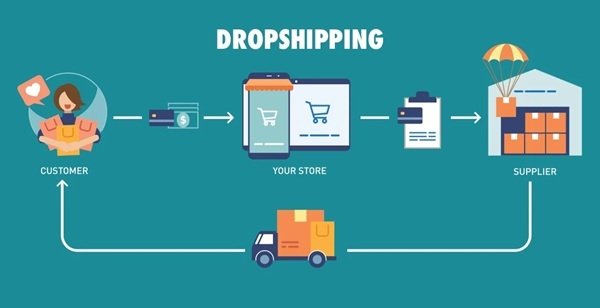
The most important point for a small seller is that outsourcing storage and delivery does not outsource every legal responsibility. A person who presents the store as the seller, receives the customer’s order and earns the retail margin should identify the tax, consumer-protection and product-compliance duties that follow that role.
Dropshipping Is a Business Model, Not a Legal Exemption
Indian law does not create a special category that allows a dropshipper to ignore rules that apply to ordinary sellers. The same transaction may involve several parties: the customer, the online store, the supplier, a marketplace, a payment provider and a courier. Their contracts decide who performs each task, but statutory duties can still apply according to the real nature of the transaction.
Before launching, write down the flow of a typical order. Identify who issues the invoice, who collects payment, who owns the goods before sale, who handles returns and who answers a consumer complaint. This simple exercise often reveals whether the business is acting as the seller, an agent or only a marketing/referral service.
Do not copy another dropshipper’s terms and conditions without checking whether the same arrangement applies. Two stores using the word “dropshipping” can have very different legal positions.
GST Needs to Be Checked Before Nationwide Selling
GST registration depends on turnover, the nature of the supplies and the way they are made. For eligible businesses engaged exclusively in supplying goods, the registration threshold can be Rs. 40 lakh in many states, while a lower threshold applies in certain states and cases. Compulsory-registration provisions can also override the normal threshold.
Interstate supply of taxable goods deserves particular attention. A small seller who plans to ship goods from one state to customers in other states should not assume that staying below the normal turnover limit automatically removes the need for registration.
Marketplace selling has also changed. From October 2023, an eligible unregistered supplier of goods can sell through an e-commerce operator under a special procedure without taking ordinary GST registration, but important conditions apply. In particular, the seller cannot make interstate supplies under that facility and must satisfy the prescribed enrolment and other requirements.
A small business should therefore decide its sales territory before opening nationwide delivery. If the model changes later, the GST position should be reviewed at that point rather than waiting for a marketplace or tax notice to expose the problem.
Consumer Responsibility Does Not End With the Supplier
Customers usually deal with the store whose name appears on the product page, advertisement or order confirmation. If the wrong item arrives or a product is materially different from its description, telling the customer to contact an unknown wholesaler is unlikely to create a trustworthy business.
The Consumer Protection Act and the Consumer Protection (E-Commerce) Rules regulate online commercial transactions. A seller should give accurate information and avoid misleading representations. Return, refund, cancellation and grievance arrangements should be stated clearly and should not be drafted to defeat rights that the law gives consumers.
A practical dropshipping process should establish:
- Who receives a complaint and how quickly it is acknowledged.
- Which party arranges a return pickup when one is required.
- Who bears the cost when the supplier sends the wrong product.
- How refunds are approved and tracked.
- How defective or repeatedly complained-about products are removed from the catalogue.
These points should be agreed with the supplier before advertising the product, not after the first dispute.
Product Information Must Match What Is Actually Shipped
A dropshipper often relies on photographs and descriptions supplied by a wholesaler. That creates a common risk: the store may publish claims it has never verified.
Check important facts such as brand, material, size, quantity, model, country of origin and other relevant specifications before copying them onto a product page. Where the Legal Metrology (Packaged Commodities) Rules apply, prescribed declarations must be handled correctly. E-commerce businesses also have duties concerning the display of applicable mandatory declarations online.
Do not advertise counterfeit branded goods, use another business’s photographs without permission or describe an ordinary product as certified, organic, medical-grade or otherwise specially approved unless the claim can be supported.
If several suppliers offer the same-looking item, keep records showing which supplier actually fulfilled each order. That makes it possible to trace a defective batch or misleading listing.
Foreign Supplier Dropshipping Needs Additional Checks
A business using a supplier outside India creates a different set of issues from a seller sourcing goods domestically. Customs, import restrictions, duties, product standards and the identity of the importer can become important.
Do not assume that asking a foreign supplier to post the parcel directly to the customer makes the Indian business invisible to import law. The structure should be checked before large-scale selling, especially where products are regulated or require standards, testing, registration or labelling.
An Importer Exporter Code is generally relevant to commercial import and export of goods, subject to the applicable rules and exemptions. A seller should also understand who will pay customs charges and what will happen if a parcel is held, returned or rejected.
Products such as food, cosmetics, electronics, medical products and children’s goods can carry requirements beyond ordinary e-commerce compliance. Avoid entering a regulated category merely because a supplier offers attractive margins.
Supplier Agreements Matter More in Dropshipping
The supplier controls a large part of the customer experience even though the customer may never know the supplier’s name. A weak supplier can damage the seller’s reputation through late dispatch, poor packaging, wrong products or inconsistent quality.
Put the important commercial terms in writing. Cover stock availability, dispatch time, packaging, invoices, return addresses, replacement responsibility, damaged goods, use of customer data and the process for discontinuing a product.
The agreement should also prevent the supplier from inserting unrelated promotional material or contacting the seller’s customers for its own marketing unless that arrangement has been authorised and complies with applicable privacy and marketing rules.
Keep Records Even When You Hold No Stock
A no-inventory model still needs business records. Retain supplier invoices, customer orders, payments, refunds, courier details and tax records that apply to the business.
It is also useful to maintain a supplier-performance record. Repeated complaints about the same item or fulfilment partner should lead to a review rather than another advertising campaign.
Dropshipping can therefore be a legal way for a small business to sell in India, but it should not be treated as a shortcut around ordinary business rules. Define who the seller is, check GST before expanding the sales area, verify product information and build a return and complaint process that works even when the stock is stored somewhere else. A small catalogue that the owner understands and can support is usually a stronger starting point than hundreds of unverified products imported into a website overnight.