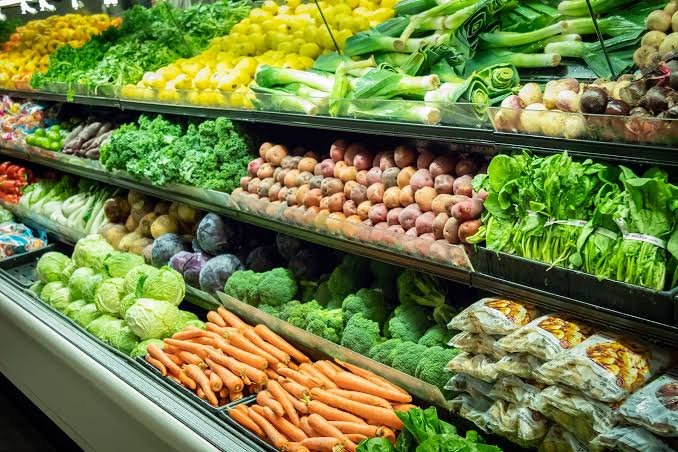
A few decades ago, most Indian households naturally followed many low-waste habits without even calling them “eco-friendly.” Cloth bags were reused for years, steel containers replaced disposable packaging, glass bottles were recycled, and household items were repaired instead of thrown away.
But modern consumer culture gradually shifted toward plastic packaging, disposable products, fast consumption, and convenience-driven shopping habits.
Today, the trend is slowly changing again.
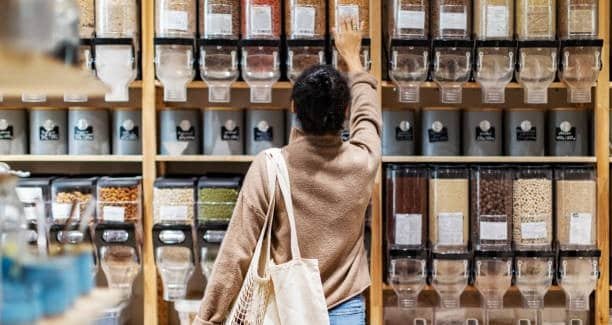
Urban consumers are becoming increasingly aware of plastic pollution, environmental damage, sustainability, climate issues, and healthy living. Many people now actively look for reusable, biodegradable, natural, refillable, and low-waste products for daily use.
This shift has created opportunities for zero-waste eco-stores — businesses that sell environmentally friendly alternatives to disposable everyday products.
From bamboo toothbrushes, steel straws, reusable bottles, refill stations, cloth bags, natural soaps, compostable products, and sustainable home goods to organic personal-care products, eco-stores are becoming part of India’s growing conscious-consumer market.
A Business Connected to Sustainability and Lifestyle Awareness
India’s eco-friendly consumer market continues growing steadily, especially in urban areas.
Several factors continue driving zero-waste business demand:
- Rising environmental awareness
- Plastic pollution concerns
- Growth of sustainable lifestyle culture
- Expansion of wellness-focused consumers
- Social-media influence around eco-living
- Demand for natural and reusable products
Many younger consumers today increasingly prefer brands aligned with sustainability and conscious consumption.
Types of Zero Waste Eco-Store Businesses
Refillable Grocery and Household Store
Customers refill grains, detergents, oils, and daily-use items using reusable containers.
Sustainable Lifestyle Product Store
Eco-friendly home, kitchen, and personal-care products.
Organic and Natural Living Store
Chemical-free and environmentally conscious products.
Online Zero-Waste Store
Instagram, website, and e-commerce-based eco-product business.
Plastic-Free Personal Care Store
Natural soaps, shampoos, bamboo products, and reusable hygiene items.
Eco-Gifting and Sustainable Packaging Business
Environment-friendly gift boxes and reusable packaging solutions.
Investment Required: Low to Moderate
Zero-waste businesses are flexible depending on scale and product category.
A small eco-store may require ₹2–10 lakh including:
- Initial inventory
- Shelving and refill systems
- Branding and packaging
- Website or Instagram setup
- Supplier partnerships
A premium urban eco-store or chain may require ₹20 lakh–₹5 crore or more depending on location and expansion plans.
Strong product sourcing and brand positioning matter heavily in this business.
Revenue and Profit Potential
Zero-waste eco-stores can become profitable because sustainable products often carry premium pricing and loyal customer bases.
Revenue sources may include:
- Reusable household-product sales
- Organic and natural personal-care items
- Refill grocery subscriptions
- Sustainable gifting products
- Online eco-product delivery
- Workshops and sustainability events
For example:
- Eco-conscious customers often become repeat buyers.
- Premium sustainable products usually generate higher margins.
- Online communities help eco-brands scale quickly.
A well-positioned eco-store can generate stable monthly revenue. Net profit margins generally range between 20–40% depending on sourcing, branding, and customer loyalty.
Businesses with strong storytelling and lifestyle branding often perform especially well.
What Makes This Business Successful
Authentic Sustainability
Customers increasingly check whether brands genuinely follow eco-friendly practices.
Strong Product Quality
Eco-products must still feel practical and durable.
Customer Education
Many buyers still need awareness about zero-waste living.
Attractive Branding and Packaging
Presentation strongly affects lifestyle-product sales.
Community Building
Loyal eco-conscious communities improve repeat business.
Challenges to Prepare For
Limited Mass-Market Awareness
Many consumers still prioritize low prices over sustainability.
Premium Product Pricing
Eco-friendly products often cost more than conventional alternatives.
Supply Consistency
Sourcing sustainable products can become difficult.
Greenwashing Competition
Fake “eco-friendly” branding from competitors creates trust issues.
Slower Customer Adoption
Behavioral change in consumer habits takes time.
Businesses that focus on genuine sustainability and customer trust usually build stronger long-term loyalty than trend-based eco-brands.
How to Increase Profitability
Focus on Subscription and Refill Models
Recurring customers improve stable income.
Build Strong Instagram and Community Presence
Eco-lifestyle content performs very well online.
Add Workshops and Sustainability Events
Educational experiences improve customer engagement.
Partner With Local Sustainable Brands
Unique products improve differentiation.
Expand Into Corporate Eco-Gifting
Businesses increasingly prefer sustainable gifting solutions.
Zero Waste Eco-Store vs Traditional Grocery or Lifestyle Store
Traditional stores mainly focus on convenience, pricing, and mass-market consumption. Zero-waste stores focus more on sustainability, low-waste living, reusable products, and conscious consumer behavior.
This creates stronger premium branding opportunities.
However, customer education and trust-building become much more important.
The Future of Zero Waste Business in India
The future looks promising, especially in metro cities and environmentally conscious urban markets.
India’s sustainability awareness, wellness culture, eco-conscious consumer behavior, and plastic-reduction efforts are likely to continue growing steadily in coming years.
At the same time, government pressure on single-use plastics and rising environmental discussions may further support eco-friendly businesses.
However, the industry may still remain more niche compared to mass-market retail for some time.
The Verdict
Zero-waste eco-stores are no longer small experimental shops serving a handful of environmental activists. They have evolved into modern lifestyle-and-wellness businesses connected closely to sustainability, healthy living, premium consumption, and conscious shopping habits.
Entrepreneurs who maintain genuine sustainability standards, strong product quality, educational branding, and loyal community relationships often build profitable niche businesses with strong repeat-customer potential.
In a country where environmental awareness and wellness-focused lifestyles continue expanding steadily among younger urban consumers, zero-waste eco-stores are likely to remain one of India’s most interesting emerging lifestyle business opportunities.
Frequently Asked Questions (FAQs)
Q1. Which zero-waste products are usually most profitable?
Reusable kitchen products, natural personal-care items, refill products, and eco-friendly gifting products often provide strong margins.
Q2. Why are younger consumers attracted to eco-stores today?
Because many younger buyers increasingly care about sustainability, plastic reduction, healthy living, and ethical consumption.
Q3. Is this business mainly urban-focused?
Currently yes. Metro cities and premium urban neighborhoods usually show stronger demand for zero-waste products.
Q4. What is the biggest challenge in zero-waste business?
Customer education and convincing price-sensitive buyers to adopt sustainable alternatives are major challenges.
Q5. Can online eco-stores succeed without physical shops?
Absolutely. Many sustainable brands grow strongly through Instagram, websites, and online communities.
Q6. Is this business likely to grow in the future?
Yes. Environmental awareness, wellness culture, and sustainable lifestyle trends are gradually increasing across India.