India’s food industry has changed rapidly over the last two decades. Earlier, most meat purchases happened through local butcher shops and wet markets where customers bought fresh meat daily. Cold-chain logistics and packaged frozen products were limited mainly to hotels and a few urban supermarkets.
Today, the market looks very different.
Modern consumers increasingly prefer hygienic packaged meat, ready-to-cook products, frozen chicken, seafood, mutton, kebabs, nuggets, sausages, and processed protein foods. At the same time, restaurants, hotels, cloud kitchens, cafés, and fast-food chains now depend heavily on reliable cold-chain supply systems.
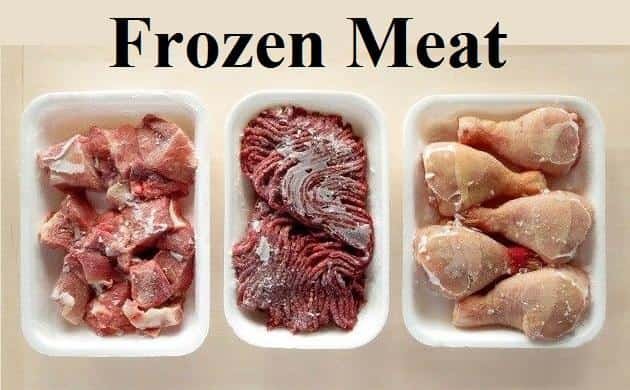
This shift has transformed frozen meat distribution into one of India’s fastest-growing food-supply businesses.
Unlike ordinary retail food businesses, frozen meat distribution operates mainly through logistics, storage, supply-chain management, and recurring B2B demand.
A Business Connected to India’s Expanding Food-Service Industry
India’s organized food and protein market continues expanding rapidly every year.
Several factors continue driving frozen-meat demand:
- Growth of restaurants and QSR chains
- Expansion of cloud kitchens
- Rising online meat delivery
- Increasing urban convenience culture
- Demand for hygienic packaged meat
- Growth of supermarkets and modern retail
Consumers today increasingly value convenience, cleanliness, and reliable quality.
Types of Frozen Meat Distribution Businesses
Frozen Chicken Distribution
Supplying processed and frozen poultry products.
Seafood and Fish Distribution
Frozen fish, prawns, and seafood supply.
Restaurant and Hotel Meat Supply
Bulk B2B supply for hospitality businesses.
Ready-to-Cook Meat Product Distribution
Kebabs, nuggets, sausages, and marinated products.
Retail Frozen-Meat Supply
Supplying supermarkets and grocery stores.
Cold-Chain Logistics Business
Storage and transportation services for meat products.
Investment Required: Moderate to High
Frozen-meat businesses require cold storage and logistics infrastructure.
A small distribution setup may require ₹10–50 lakh including:
- Cold storage units
- Refrigerated vehicles
- Freezers and refrigeration equipment
- Licensing and food-safety approvals
- Inventory and packaging
- Warehouse setup
A larger city-wide or regional distribution network may require ₹1 crore–₹20 crore or more depending on scale.
Cold-chain reliability is one of the most important parts of this business.
Revenue and Profit Potential
Frozen meat distribution can become highly profitable because demand remains recurring and volume-based.
Revenue sources may include:
- Restaurant and hotel supply contracts
- Supermarket distribution
- Online meat-delivery partnerships
- Bulk frozen-food supply
- Retail packaged meat sales
- Imported frozen-food distribution
For example:
- Restaurants usually require continuous recurring supply.
- Ready-to-cook products often carry stronger margins.
- Urban delivery demand is growing rapidly.
A well-managed frozen-meat distribution business can generate strong monthly cash flow. Net profit margins generally range between 10–25% depending on logistics efficiency, storage management, and product category.
Businesses with strong cold-chain systems and recurring B2B clients often scale especially well.
What Makes This Business Successful
Reliable Cold Storage Infrastructure
Temperature control directly affects product quality and safety.
Strong Distribution Network
Fast and dependable delivery is extremely important.
Hygiene and Food Safety Standards
Trust strongly influences meat purchasing decisions.
Long-Term Restaurant Relationships
Recurring clients improve revenue stability.
Efficient Inventory Management
Spoilage reduction directly improves profitability.
Challenges to Prepare For
High Refrigeration Costs
Cold storage and transport consume large amounts of electricity.
Perishable Inventory Risk
Temperature failures can cause major losses.
Strict Food-Safety Compliance
Licensing and hygiene standards must be maintained carefully.
Transportation Complexity
Maintaining cold chain during delivery is operationally demanding.
Regional Consumption Differences
Demand patterns vary heavily across India.
Businesses that maintain strict hygiene and dependable logistics usually survive competition much better long term.
How to Increase Profitability
Focus on B2B Restaurant Supply
Hotels and restaurants create recurring large-volume orders.
Add Ready-to-Cook Products
Processed meat products often provide better margins.
Build Local Distribution Hubs
Nearby supply improves delivery speed and reduces costs.
Partner With Online Meat Brands
Digital meat delivery is growing rapidly.
Invest in Efficient Refrigeration Systems
Energy savings improve long-term profitability significantly.
Frozen Meat Distribution vs Fresh Meat Shop Business
Fresh meat shops mainly depend on daily local retail sales. Frozen meat distribution focuses more on storage, logistics, large-scale supply, and institutional clients.
This creates stronger scalability and recurring B2B opportunities.
However, operational infrastructure and cold-chain management become much more important.
The Future of Frozen Meat Business in India
The future looks extremely strong. India’s urban food culture, cloud-kitchen industry, restaurant market, and online grocery ecosystem continue expanding rapidly.
At the same time, younger consumers increasingly prefer hygienic packaged meat and ready-to-cook convenience foods.
Cold-chain infrastructure growth and organized food retail are also likely to create major opportunities in coming years.
The Verdict
Frozen meat distribution is no longer limited to supplying hotels and a few supermarkets. It has evolved into a modern cold-chain food business connected closely to restaurants, online delivery, processed foods, and urban convenience culture.
Entrepreneurs who maintain strong refrigeration systems, food-safety standards, efficient logistics, and reliable client relationships often build highly stable and scalable recurring-revenue businesses.
In a country where organized food consumption, restaurant culture, and convenience-based eating habits continue growing rapidly every year, frozen meat distribution is likely to remain one of India’s strongest long-term food-supply business opportunities.
Frequently Asked Questions (FAQs)
Q1. Which frozen meat products are usually most profitable?
Ready-to-cook products, seafood, premium chicken products, and restaurant bulk supplies often provide stronger margins.
Q2. Why is cold-chain infrastructure important in this business?
Because meat quality and safety depend completely on proper temperature management.
Q3. Is restaurant supply better than retail distribution?
In many cases yes. Restaurants often provide stable recurring bulk orders.
Q4. What is the biggest challenge in frozen meat distribution?
Managing refrigeration, logistics, and spoilage risk efficiently are major challenges.
Q5. Can small distributors compete against large frozen-food companies?
Absolutely. Many smaller distributors succeed through local delivery speed and strong restaurant relationships.
Q6. Is packaged frozen meat demand increasing in India?
Yes. Urban consumers increasingly prefer hygienic, convenient, and ready-to-cook meat products.