Buying a car is exciting until the financing begins. A buyer may find the perfect vehicle, negotiate the price and even decide the colour, but the real financial decision often comes afterward: should the purchase be funded with a car loan or a personal loan?
Both can provide the money needed to buy a vehicle, but they work very differently.
A car loan is specifically designed for vehicle purchases and is generally secured against the car being financed. A personal loan is usually unsecured, so the borrower gets greater flexibility but may pay a higher interest rate.
For most people buying a new or used car through regular financing, a car loan is usually the more economical option. However, a personal loan can still make sense in certain situations, especially when the required amount is small, the borrower wants complete ownership flexibility, or traditional vehicle financing is difficult.
The better choice depends on the car, loan amount, repayment period and the borrower’s financial profile.
What Is a Personal Loan?
A personal loan is generally an unsecured loan provided without requiring a specific asset as collateral.
The lender usually evaluates factors such as income, employment, credit score, existing debts and repayment history.
Once approved, the borrower can normally use the money for various legitimate personal purposes, including purchasing a vehicle, subject to the lender’s terms.
The advantage is flexibility. The disadvantage is that unsecured borrowing often costs more.
What Is a Car Loan?
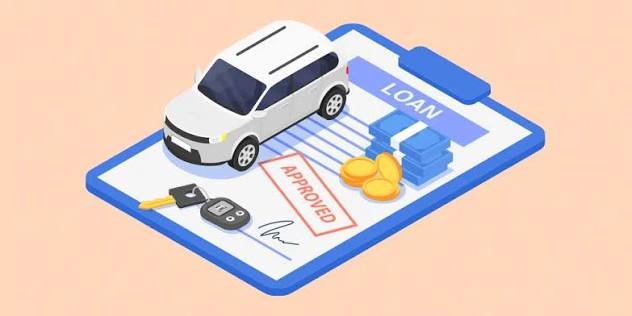
A car loan is a specialised loan used to purchase a new or eligible used vehicle.
The vehicle normally acts as security for the loan. The lender finances an approved portion of the vehicle’s cost, while the borrower generally pays the remaining amount as a down payment.
The loan is then repaid through monthly EMIs.
Because the lender has security in the vehicle, car loans can often be offered at more competitive rates than unsecured personal loans.
Personal Loan vs Car Loan: Key Differences
1. Purpose of the Loan
A car loan has one clear purpose: financing an eligible vehicle.
The loan amount is generally linked to the purchase price and other lender-approved components.
A personal loan offers much greater freedom. If you borrow ₹5 lakh, the money may be used for the car, registration expenses, accessories or another personal requirement, depending on the loan terms.
For someone buying only a car, however, this additional flexibility may not be necessary.
Better for dedicated car financing: Car loan
Better for flexible spending: Personal loan
2. Interest Rate
Interest cost is one of the most important differences.
A car loan is secured by the financed vehicle. Because the lender has an asset supporting the loan, the rate can generally be lower than that of an unsecured personal loan.
A personal loan carries higher lender risk, so rates may be higher, especially for borrowers without excellent credit.
Even a modest rate difference can matter over several years.
For a ₹10 lakh car purchase, paying a higher unsecured rate unnecessarily can increase the total borrowing cost significantly.
Winner: Car loan
3. Down Payment
Car loans commonly require the borrower to contribute part of the vehicle’s cost.
This means you may need to arrange a down payment before taking delivery.
A personal loan does not operate in the same way. If you qualify for enough money, you could theoretically use the loan to pay a larger portion—or even all—of the purchase price.
That may sound convenient, but financing the entire car through expensive unsecured debt can also produce a much larger EMI.
Winner for low upfront cash requirement: Personal loan
4. Loan Amount
With a car loan, the sanctioned amount is closely linked to the vehicle’s eligible value and the lender’s financing policy.
The borrower cannot normally take a ₹15 lakh car loan to buy a ₹7 lakh vehicle and use the balance elsewhere.
A personal loan is based more heavily on income, creditworthiness and repayment capacity.
This means it is more flexible, but the amount available may still be lower than required for an expensive vehicle.
Winner: Depends on the car price and borrower profile
5. Processing Speed
Both loans can now be processed quickly.
Personal loans often have an advantage because there is no vehicle-related security documentation. Existing bank customers may even receive pre-approved offers.
Car loans, however, can also be processed rapidly through banks, NBFCs and dealership financing arrangements.
If the dealer already works with several lenders, approval can sometimes be completed with relatively little effort from the buyer.
Winner: Personal loan by a small margin
6. Ownership and Hypothecation
This is an important difference.
When a car is purchased through a regular car loan, the lender’s interest is usually recorded through hypothecation until the loan is fully repaid.
The borrower uses the car normally, but the lender retains a financial charge over it.
With a personal loan, there is generally no car-specific hypothecation because the loan is unsecured.
This gives the borrower greater flexibility regarding the vehicle itself.
Winner: Personal loan
7. Repayment Tenure
Car loans often provide a repayment period designed specifically for vehicle ownership.
The tenure may extend across several years, helping make the EMI manageable.
Personal loans also offer multi-year repayment, but the combination of shorter tenure and potentially higher interest can produce a higher monthly EMI.
If the amount being borrowed is large, the EMI difference can become noticeable.
Winner: Car loan
8. Risk of Losing the Vehicle
Because the car secures the vehicle loan, serious and continuing default can eventually lead to recovery action against the car under the loan terms and applicable law.
With a personal loan, the car itself is not normally pledged as security.
However, that does not make default harmless. Missed personal-loan payments can damage credit history, increase charges and lead to recovery proceedings.
Winner for protecting the specific vehicle from collateral risk: Personal loan
9. Used-Car Financing
Car loans are not limited only to new vehicles.
Many lenders finance eligible used cars, although terms may differ depending on the age, valuation and condition of the vehicle.
Older cars can sometimes be more difficult to finance through traditional auto-loan products.
In such situations, a personal loan may become an alternative if the borrower qualifies and the amount required is reasonable.
Winner: Depends on the vehicle’s age and eligibility
When Is a Car Loan Better?
A car loan is usually the better option when you are purchasing a standard new or eligible used vehicle and can comfortably arrange the required down payment.
It makes particular sense when:
- The required amount is substantial.
- You want a lower borrowing cost.
- You are comfortable with the vehicle being hypothecated.
- You prefer a loan specifically structured for car ownership.
- You need a manageable EMI over several years.
For a ₹10 lakh or ₹15 lakh vehicle purchase, using a properly priced car loan will generally make more sense than choosing an expensive unsecured loan purely for convenience.
When Is a Personal Loan Better?
A personal loan may be useful when the amount required is relatively small.
For example, suppose you have ₹6 lakh in savings and want to purchase a ₹7.5 lakh used car. Instead of arranging a specialised vehicle loan for the remaining ₹1.5 lakh, a small personal loan could be simpler if the rate and EMI are reasonable.
It can also help when the vehicle does not meet normal car-loan eligibility conditions.
Another advantage is that the vehicle is not directly tied to the personal loan, which can make future sale or ownership formalities simpler.
However, convenience should be weighed against the higher total borrowing cost.
Personal Loan vs Car Loan: Which Is Better?
For most people purchasing a car through financing, a car loan is usually the better choice.
It is designed specifically for vehicle purchases, generally offers lower interest rates and provides repayment terms suited to a relatively large purchase.
A personal loan becomes more attractive when the required amount is small, the borrower wants greater flexibility or the particular vehicle is difficult to finance through a normal car loan.
The final decision should not be based only on which lender approves the loan faster.
Compare the interest rate, EMI, total repayment, down payment, processing charges and tenure.
A car depreciates over time. That makes controlling the cost of borrowing especially important. Paying very high interest on an asset that is already losing value can make the purchase unnecessarily expensive.
The better loan is therefore the one that gets you the car while keeping both the EMI and total cost reasonable.
Frequently Asked Questions
Q1. Can I buy a second-hand car using a personal loan?
Yes. A personal loan can generally be used to purchase a used car, subject to the lender’s terms. This may be useful when the vehicle is too old to qualify for a traditional used-car loan.
Q2. Can I sell a car before the car loan is fully repaid?
It can be done, but the lender’s outstanding charge generally needs to be settled or appropriately transferred before the ownership process is completed. The exact procedure depends on the lender and transaction.
Q3. Does a larger down payment make a car loan cheaper?
Usually yes. A larger down payment reduces the amount borrowed, which can lower both the EMI and total interest paid over the loan tenure.
Q4. Which loan is better if I plan to repay within one year?
If the amount is small and you receive a competitive personal-loan offer without major charges, a personal loan may be convenient. For a larger amount, however, a car loan may still be cheaper even over a short period, so comparing the total repayment is essential.