A growing business rarely runs out of ideas before it runs out of money. A manufacturer may receive orders that require a new machine. A retailer may spot the perfect location for a second outlet. A wholesaler may need to purchase extra stock before the festive season. In each case, the opportunity may be attractive, but using existing cash alone could leave the business financially stretched.
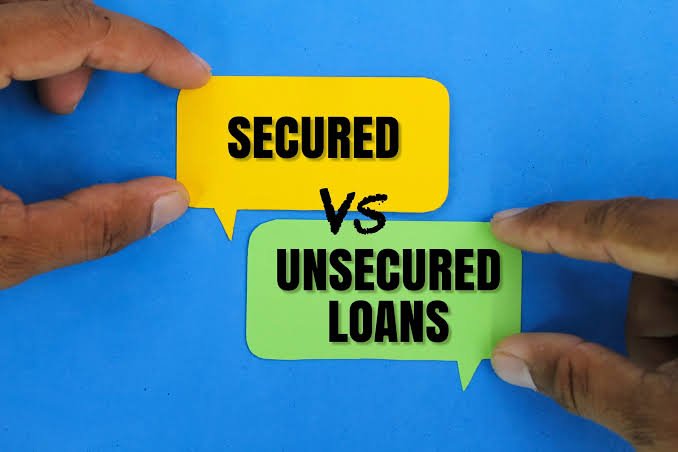
A business loan can bridge that gap. The more important decision is whether to take a secured business loan, where an asset is offered as collateral, or an unsecured business loan, where traditional collateral is generally not required.
At first, the choice may appear simple. A secured loan can offer larger amounts and potentially better terms, while an unsecured loan can be quicker and does not put a specific property directly at risk. In reality, the better option depends on the purpose of borrowing, required amount, available assets, urgency, cash flow and the owner’s willingness to accept risk.
Understanding how the two loans differ can prevent a convenient borrowing decision from becoming an expensive business mistake.
What Is a Secured Business Loan?
A secured business loan is backed by an eligible asset offered to the lender as security.
Depending on the lender and product, collateral can include commercial or residential property, land, machinery, fixed deposits or other acceptable assets.
Because the lender has additional security, it may be willing to provide a larger loan, longer repayment period or more competitive interest rate.
Secured loans are therefore commonly considered when businesses need substantial capital for purposes such as purchasing machinery, acquiring commercial premises, increasing production capacity or carrying out major expansion.
However, the advantage comes with an important condition. If the borrower seriously defaults and cannot resolve the outstanding debt, the pledged asset can ultimately become subject to recovery action according to the loan agreement and applicable law.
What Is an Unsecured Business Loan?
An unsecured business loan does not normally require the borrower to pledge traditional collateral such as property or land.
Instead, lenders rely more heavily on the financial strength of the business. They may examine turnover, profitability, cash flow, bank statements, credit history, existing debt and repayment capacity before approving the loan.
This makes unsecured loans especially useful for businesses that generate healthy revenue but do not own substantial physical assets.
They can also be attractive when money is required quickly for inventory, temporary working-capital shortages, equipment, marketing, renovation or relatively modest expansion.
The trade-off is that lenders carry greater risk. Consequently, unsecured loans may have higher interest rates, lower available amounts or shorter repayment tenures.
Secured vs Unsecured Business Loan: Major Differences
1. Collateral Requirement
Collateral creates the clearest difference between the two options.
A secured loan requires an eligible asset to support the borrowing. An unsecured loan generally does not require traditional collateral.
For entrepreneurs who do not own property or who do not want to pledge valuable assets, unsecured borrowing can therefore be far more convenient.
However, businesses that already own substantial assets may be able to use those assets to obtain more favourable financing through a secured loan.
2. Loan Amount
Secured loans are generally better suited to large funding requirements.
Imagine a manufacturing company planning to invest ₹50 lakh or more in machinery and production expansion. Such a requirement may be easier to finance through appropriate secured borrowing because the lender has an asset supporting the loan.
An unsecured loan may work better when the requirement is more moderate and can be comfortably supported by business cash flow.
Lenders ultimately determine the amount according to their own credit assessment, so collateral alone does not guarantee a particular sanction.
3. Interest Cost
Secured loans can offer lower interest rates than comparable unsecured loans because the lender’s risk is reduced by collateral.
This difference becomes especially important with larger loans.
A small difference in the interest rate may appear insignificant when looking at a monthly EMI, but across several years and a substantial principal amount, it can produce a noticeable difference in total repayment.
Unsecured loans may cost more, but some businesses may consider the additional cost worthwhile in exchange for speed and freedom from pledging property.
4. Approval Speed
Unsecured loans usually have an advantage when speed matters.
A secured loan can require property documents, legal verification, valuation and other collateral-related checks. These processes can extend approval time.
An unsecured loan avoids much of this work. A financially strong business with organised banking and tax records may therefore receive a decision faster.
For a business trying to purchase discounted inventory available only for a short period, speed could be more valuable than obtaining the lowest possible interest rate.
5. Repayment Tenure and EMI
Secured loans may provide longer repayment periods, particularly when substantial amounts are borrowed for long-term investments.
Longer tenure reduces the monthly EMI, which can protect operating cash flow while the investment gradually starts generating revenue.
Unsecured loans can have comparatively shorter repayment periods. The debt may be cleared sooner, but the EMI can be higher.
Businesses should therefore avoid judging a loan only by the monthly instalment. A lower EMI stretched over many years can still result in substantial total interest.
6. Risk to Business and Personal Assets
This is where secured borrowing requires greater caution.
If commercial property or machinery is pledged, prolonged default can threaten an important business asset. If personally owned property is used as collateral, financial difficulties in the business can potentially affect the owner’s personal wealth.
An unsecured loan avoids placing one specific traditional collateral asset directly behind the borrowing.
However, unsecured does not mean risk-free. Missed repayments can damage creditworthiness, attract applicable charges and result in recovery proceedings. Some loan structures may also require personal guarantees.
When Is a Secured Business Loan Better?
A secured business loan may be the stronger choice when:
- The business requires substantial funding.
- A suitable asset is available as collateral.
- The investment has a long-term purpose.
- Lower borrowing cost is particularly important.
- The business needs a longer repayment period.
- Future cash flow appears strong enough to manage EMIs comfortably.
Consider an established manufacturer planning to install new machinery that could increase production capacity for many years. Financing the investment over a longer period through secured borrowing may make more sense than taking an expensive short-term unsecured loan.
The important question is whether the expected business return justifies putting the chosen asset at risk.
When Is an Unsecured Business Loan Better?
An unsecured loan can be more suitable when:
- Funds are required quickly.
- The required amount is relatively moderate.
- The owner does not have suitable collateral.
- Valuable property should be preserved for another purpose.
- The requirement is short or medium term.
- Business cash flow is strong enough to handle potentially higher EMIs.
Suppose a retailer receives an opportunity to purchase fast-selling inventory at a large seasonal discount. Waiting several weeks for property valuation and legal verification may cause the opportunity to disappear.
In that situation, quicker unsecured financing may provide greater practical value even if the interest rate is somewhat higher.
Which Loan Is Better for a Small Business?
There is no universal winner.
For an asset-light consultancy, digital business, professional practice or online seller, an unsecured business loan may be easier because the company might generate substantial income without owning valuable property.
For an established manufacturer, wholesaler or property-owning enterprise seeking major expansion, secured financing can be more economical.
The decision should therefore begin with the purpose of borrowing, not with the loan advertisement.
If ₹7 lakh solves the requirement, pledging a high-value family property simply to obtain cheaper finance may be unnecessary.
Similarly, borrowing a very large amount through expensive short-tenure unsecured finance merely to avoid collateral may place excessive pressure on cash flow.
What Should You Check Before Choosing?
Before signing either loan, examine the complete borrowing structure.
Compare the interest rate, EMI, repayment tenure, processing fees, total repayment, prepayment conditions and any other applicable charges.
For secured borrowing, understand the valuation and documentation requirements and exactly what happens to the security if repayment problems arise.
For unsecured borrowing, check whether a personal guarantee is required and whether the proposed EMI remains manageable even during the business’s weakest months.
Most importantly, identify the source from which the loan will be repaid.
Borrowing makes the strongest financial sense when the money helps the business generate or protect enough cash flow to comfortably exceed the cost of financing.
Final Thoughts
The choice between a secured and unsecured business loan is ultimately a choice between cost, convenience and risk.
Secured loans can provide substantial funding, potentially lower interest rates and longer repayment periods. They are especially useful for major business investments, but the pledged asset creates a serious responsibility.
Unsecured loans offer speed and flexibility while allowing property to remain free from traditional collateral. They can work extremely well for working capital and moderate expansion, although higher interest costs and shorter repayment periods may increase monthly pressure.
Therefore, neither option should automatically be called better.
A secured business loan is usually more attractive when the funding requirement is large, repayment will take several years and suitable collateral is available. An unsecured business loan can be better when the requirement is relatively smaller, money is needed quickly and business cash flow can comfortably absorb the repayments.
The best business loan is not necessarily the one offering the most money or the fastest approval. It is the one that provides enough capital for a productive purpose without creating more financial risk than the business can reasonably handle.
Frequently Asked Questions
Q1. Can a business switch from an unsecured loan to a secured loan later?
Possibly. A business may later refinance or replace existing borrowing with another facility if it qualifies and the lender permits it. Whether doing so is worthwhile depends on the outstanding balance, new interest rate, foreclosure or prepayment charges, collateral expenses and remaining tenure.
Q2. Should a profitable business always choose a secured loan because the interest rate may be lower?
Not necessarily. If the requirement is small or temporary, pledging a valuable property and completing additional documentation may not be justified merely to obtain a lower rate. The total cost and purpose of borrowing matter more than the interest rate alone.
Q3. Is it better to use business property or personal property as collateral?
Business property may keep the financing risk more closely connected with the enterprise, but the appropriate choice depends on ownership, lender requirements and the importance of the asset. Using essential family property for a speculative business expansion deserves particularly careful consideration.
Q4. Can a business have both secured and unsecured loans at the same time?
Yes, it may be possible if lenders’ eligibility requirements are satisfied. However, every existing EMI increases the company’s overall debt obligation. Lenders may consider current borrowings while assessing repayment capacity, and the business should ensure that combined repayments remain manageable even during slower months.