A life insurance policy is usually bought for protection and long-term financial security, not for borrowing money. Yet some LIC policies quietly build another useful feature over the years: surrender value. Once an eligible policy acquires sufficient surrender value, that accumulated value may allow the policyholder to raise money without surrendering the policy itself.
This is where a loan against an LIC policy can become useful.
Instead of closing the policy and giving up future benefits, the policyholder borrows against its eligible value. The policy acts as security for the loan, and the outstanding amount is later repaid with interest.
For someone facing a temporary cash shortage, it can be more attractive than surrendering a long-held policy or taking an expensive unsecured loan. But it also has limitations. Not every LIC policy qualifies, the amount is restricted by surrender value, interest continues to accumulate, and excessive unpaid dues can eventually affect the policy itself.
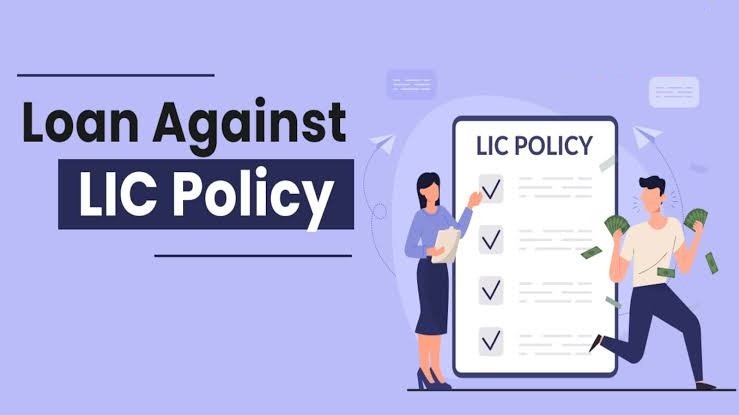
What Is a Loan Against an LIC Policy?
A policy loan is an interest-bearing amount granted by LIC against the surrender value of an eligible life insurance policy.
LIC states that loans are available only on policies whose terms provide a loan facility. Its general policy conditions currently mention a maximum loan of up to 90% of surrender value for eligible in-force policies and 85% for paid-up policies, including applicable cash value of bonus. However, actual limits can differ according to the specific plan.
Therefore, owning an LIC policy does not automatically mean you can borrow against it. The particular plan must permit loans and generally must first acquire surrender value.
Advantages of Loan Against LIC Policy
1. You Do Not Have to Surrender the Policy
This is the biggest advantage.
Suppose you have been paying premiums on an LIC policy for several years and suddenly require ₹1.5 lakh for an urgent expense.
Surrendering the policy may permanently end its benefits and provide only the applicable surrender value. A policy loan allows you to access money while keeping the insurance policy in existence, subject to continued compliance with its terms.
This can be particularly valuable when the policy has been maintained for many years.
2. No Property or Gold Needs to Be Pledged
The insurance policy itself provides security for the borrowing.
You do not have to mortgage your house, hand over gold jewellery or arrange another physical asset.
This can make a policy loan useful for someone who owns an eligible LIC policy but does not want to put family property or jewellery behind a loan.
3. Credit Score Is Less Central to the Loan
A normal personal loan is largely based on income, credit history and repayment ability.
An LIC policy loan is instead supported by the policy’s surrender value. The available amount is therefore primarily linked to the eligible value accumulated under the policy and its specific loan conditions.
This can make it an alternative for policyholders who may not receive attractive unsecured-loan offers.
4. Interest Can Be Competitive
Because the policy provides security, a policy loan may offer a more reasonable borrowing cost than some unsecured alternatives.
However, there is no single interest rate that applies permanently to every LIC policy. LIC states that policy-loan rates are declared periodically and are plan-specific.
For example, LIC’s current New Bima Jyoti documentation states that loans sanctioned between May 1, 2026 and April 30, 2027 carry an applicable rate of 9.50% per annum, compounding half-yearly for that plan. Other policies should be checked individually rather than assuming the same rate applies.
5. Processing Can Be Relatively Simple
Unlike a property loan, there is no real-estate valuation or lengthy title investigation.
LIC already has the policy details and can calculate the available loan according to its surrender value and plan conditions.
LIC also provides online loan-request facilities through its Customer Portal for eligible registered customers using Premier Services.
This can make access to funds more convenient than arranging a completely new secured loan.
6. The Loan Can Be Useful for Temporary Needs
A policy loan can work well for expenses that are important but temporary.
Examples may include medical bills, education expenses, emergency repairs or a short-term family cash shortage.
Instead of permanently disturbing a long-term insurance arrangement, the borrower can raise money and later clear the outstanding loan.
Disadvantages of Loan Against LIC Policy
1. Not Every LIC Policy Qualifies
This is one of the most important limitations.
LIC specifically states that whether a loan is available depends on the conditions and privileges of the individual policy.
Policies without surrender value or without an explicit loan provision will not provide the same facility.
Therefore, you should check your specific policy document rather than assuming that every endowment, term or other LIC plan provides a loan.
2. The Loan Amount May Be Smaller Than Expected
The loan is calculated against surrender value, not against the total sum assured or the total future maturity amount.
This makes a major difference.
A policy with a sum assured of ₹10 lakh does not mean the holder can borrow ₹9 lakh. If its current surrender value is only ₹3 lakh, the loan will be calculated from that value and according to the plan’s permitted percentage.
This makes policy loans unsuitable for very large expenses when the accumulated surrender value is modest.
3. Interest Keeps Accumulating
The money borrowed is not free simply because it comes against your own policy.
LIC’s general policy conditions state that policy-loan interest is payable half-yearly, with the rate determined according to the applicable plan.
If the borrower repeatedly ignores interest payments, the outstanding amount can continue increasing.
The loan should therefore be taken only when there is a realistic repayment plan.
4. Excessive Outstanding Loan Can Put the Policy at Risk
This is the biggest danger.
Certain current LIC policy documents state that if interest is not paid and the outstanding loan plus accumulated interest approaches or exceeds the applicable surrender value, LIC can foreclose the policy according to its terms.
This means borrowing against the policy should never be treated casually.
A loan intended to avoid surrender can eventually contribute to losing the policy if the debt is allowed to grow unchecked.
5. Death or Maturity Benefits Can Be Reduced by Outstanding Dues
If the policy reaches maturity or becomes a death claim while a loan remains outstanding, LIC can deduct the outstanding loan and applicable interest from the policy money before paying the balance.
For example, if a policy generates a ₹6 lakh claim but ₹1 lakh plus applicable interest remains unpaid, the outstanding amount can reduce what ultimately reaches the policyholder or beneficiary.
This is particularly important when the policy was intended to provide financial security to the family.
6. Borrowing Can Weaken the Purpose of Life Insurance
Life insurance is fundamentally designed to protect long-term financial goals.
Repeatedly taking loans against a policy for routine spending can gradually weaken that purpose.
A policy loan makes more sense for a genuine temporary requirement than for holidays, luxury purchases or recurring expenses that exceed monthly income.
When Does a Loan Against LIC Policy Make Sense?
It can be sensible when you have an eligible policy, need a relatively modest amount for a short period and have a clear plan for repaying both principal and interest.
Before taking the loan, check three figures carefully:
current surrender value, maximum eligible loan and applicable interest rate.
Then compare the policy loan with alternatives such as a loan against FD, gold loan or personal loan.
Do not surrender a valuable long-term policy merely because you need money temporarily—but equally, do not borrow against it unless repayment is realistic.
Final Thoughts
A loan against an LIC policy can turn an accumulated insurance value into useful liquidity without immediately ending the policy.
Its biggest strengths are simple security, potentially competitive borrowing costs and the ability to preserve the policy while raising money. Its biggest weakness is that the policy protecting your family’s future is also securing the debt.
Used carefully for a short-term need, it can be a practical financial tool. Used repeatedly or allowed to accumulate unpaid interest, it can reduce benefits and eventually place the policy itself at risk.
Frequently Asked Questions
Q1. Can I take a second loan against the same LIC policy?
A further loan may be possible under eligible policies if sufficient loan value remains after considering the existing outstanding amount and applicable conditions. The actual availability must be checked with LIC for the specific policy.
Q2. Can I pay LIC policy-loan interest online?
Yes. LIC provides online facilities for policy-loan interest payment and loan repayment through its Customer Portal and permitted digital payment channels.
Q3. Can a paid-up LIC policy still provide a loan?
Some paid-up policies can remain eligible for policy loans if their terms permit it and sufficient surrender value exists. LIC’s general policy conditions currently mention a lower maximum percentage for paid-up policies than for eligible in-force policies.
Q4. Is a loan available immediately after purchasing an LIC policy?
Not necessarily. Eligibility depends on the particular plan and when it acquires loan value. For example, some current LIC plans allow loans only after specified policy conditions have been met. Always check the loan clause in the individual policy document rather than assuming immediate eligibility.