A few years ago, electric scooters in India were viewed as experimental vehicles mainly bought by a small group of environmentally conscious consumers. Petrol scooters completely dominated the market, and many people doubted whether EVs could become practical for everyday use.
Today, the situation has changed dramatically.
Rising petrol prices, government EV incentives, increasing environmental awareness, lower running costs, and rapid charging infrastructure growth have pushed electric scooters into mainstream Indian transportation.
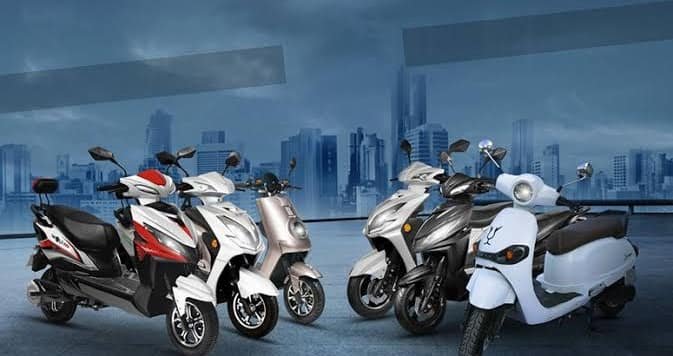
From students and office workers to delivery riders and urban commuters, electric scooters are now becoming a common sight across Indian cities. Brands like Ola Electric, Ather Energy, TVS Motor Company, Bajaj Auto, and Hero Electric have accelerated market growth rapidly.
This shift has transformed electric scooter dealerships into one of India’s fastest-growing automobile retail opportunities.
Unlike traditional petrol-vehicle dealerships that depend heavily on servicing and fuel-era ecosystems, EV dealerships operate within a rapidly evolving technology-driven mobility market.
A Business Connected to India’s EV Revolution
India’s electric-vehicle market continues expanding rapidly every year.
Several factors continue driving electric-scooter demand:
- Rising fuel prices
- Government EV subsidies and incentives
- Lower daily running costs
- Expansion of delivery and gig economy
- Urban commuting demand
- Growing environmental awareness
Many younger buyers today increasingly view EVs as modern, economical, and future-focused transportation options.
Types of Electric Scooter Dealership Businesses
1. Authorized EV Brand Dealership
Selling scooters from established EV companies.
2. Multi-Brand EV Showroom
Offering multiple electric-scooter brands together.
3. EV Sales and Service Center
Combining dealership and maintenance operations.
4. Fleet and Commercial EV Supply
Scooters for delivery and business fleets.
5. EV Franchise Model
Operating under a larger EV retail chain.
6. Rural and Tier-2 EV Dealership
Targeting smaller-city EV adoption markets.
Investment Required: Moderate to High
Electric scooter dealerships require showroom setup, inventory management, and charging/service infrastructure.
A small dealership setup may require ₹15–50 lakh including:
- Showroom interiors
- Initial vehicle inventory
- Charging and testing infrastructure
- Staff and technician setup
- Branding and dealership fees
- Registration and licensing
A larger premium EV showroom may require ₹1 crore–₹10 crore or more depending on brand and location.
Location visibility and after-sales support are extremely important.
Revenue and Profit Potential
Electric scooter dealerships can become highly profitable because EV demand is growing rapidly across India.
Revenue sources may include:
- Scooter sales margins
- Financing and insurance commissions
- Service and maintenance packages
- Battery replacement and upgrades
- Accessories and spare parts
- Fleet supply contracts
For example:
- Delivery and gig-economy fleets create bulk-order opportunities.
- Financing partnerships improve dealership revenue significantly.
- Service contracts create recurring customer relationships.
A well-positioned EV dealership can generate strong monthly revenue. Net profit margins generally range between 8–20% depending on brand partnerships, sales volume, and service operations.
Dealerships in rapidly growing urban markets often scale especially fast.
What Makes This Business Successful
1. Strong Brand Partnership
Popular EV brands attract customers more easily.
2. Good Service Infrastructure
Customers care heavily about after-sales support.
3. Charging and Battery Knowledge
Technical understanding builds buyer confidence.
4. Location and Visibility
High-traffic urban locations improve walk-in sales.
5. Customer Education
Many buyers still need guidance regarding EV ownership.
Challenges to Prepare For
1. Rapid Technology Changes
Battery technology and EV systems evolve quickly.
2. Consumer Trust Issues
Some buyers still worry about range and battery life.
3. Charging Infrastructure Limitations
Charging convenience varies by region.
4. High Competition
Many EV dealerships are opening rapidly.
5. Inventory and Brand Dependency
Dealership success often depends heavily on brand reputation.
Dealerships that focus strongly on customer service and education usually build stronger long-term loyalty.
How to Increase Profitability
1. Add EV Service and Repair Center
After-sales support improves recurring revenue.
2. Target Delivery and Fleet Businesses
Commercial buyers often purchase in larger volumes.
3. Build Strong Digital Marketing Presence
EV buyers heavily research online before purchasing.
4. Offer Test Ride Campaigns
Hands-on experience improves conversion rates significantly.
5. Expand Into Accessories and Charging Solutions
Additional EV products improve overall margins.
Electric Scooter Dealership vs Petrol Scooter Dealership
Traditional petrol dealerships mainly operate in mature stable markets. Electric scooter dealerships function within a fast-growing but evolving technology market.
EV dealerships currently benefit from future-growth potential and rising consumer curiosity.
However, customer education and technology adaptation remain more important challenges.
The Future of Electric Scooter Business in India
The future looks extremely strong. India’s EV adoption, fuel-cost pressure, government incentives, and urban commuting demand continue driving rapid market expansion.
Battery improvements, charging infrastructure growth, and local EV manufacturing are also likely to accelerate adoption further in coming years.
At the same time, delivery services, gig workers, and younger commuters are increasingly shifting toward electric mobility solutions.
The Verdict
Electric scooter dealerships are no longer small experimental EV showrooms serving limited customers. They have evolved into modern mobility businesses connected closely to clean transportation, urban commuting, technology adoption, and fuel-cost savings.
Entrepreneurs who build strong service infrastructure, trusted customer relationships, reliable brand partnerships, and effective local marketing often create highly scalable automobile businesses with long-term growth potential.
In a country where electric mobility adoption continues accelerating rapidly every year while fuel costs remain a major concern for consumers, electric scooter dealerships are likely to remain one of India’s strongest future-focused automotive business opportunities.
Frequently Asked Questions (FAQs)
Q1. Which EV dealership segment is usually most profitable?
A: Dealerships combining scooter sales with servicing, financing, and fleet supply often generate stronger long-term revenue.
Q2. Why are electric scooters becoming so popular in India?
A: Because of lower running costs, rising petrol prices, government incentives, and increasing urban commuting needs.
Q3. Is after-sales service important in EV dealership business?
A: Extremely important. Customers strongly value battery support, servicing, and maintenance reliability.
Q4. What is the biggest challenge in electric scooter dealership business?
A: Building customer trust regarding battery life, charging, and long-term reliability are major challenges.
Q5. Can small EV dealerships compete against larger automobile chains?
A: Absolutely. Many smaller dealerships succeed through local trust, strong customer service, and regional market focus.
Q6. Is EV demand likely to grow further in India?
A: Yes. Government support, urban mobility demand, and increasing fuel costs are expected to drive strong EV growth for many years ahead.