A few decades ago, farming in India depended almost entirely on large open fields, seasonal rainfall, fertile land, and traditional agricultural cycles. Food production was deeply tied to climate conditions and rural land availability.
Today, agriculture is slowly entering a completely different phase.
Urbanisation is reducing available farmland near cities, climate change is affecting crop stability, water shortages are becoming serious in many regions, and consumers increasingly want fresh, pesticide-free, premium-quality vegetables throughout the year.
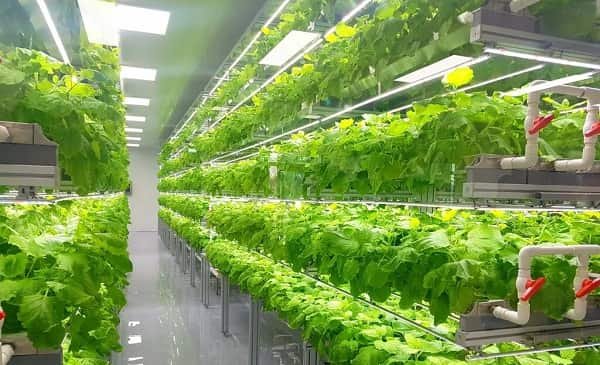
This has created interest in vertical farming — a modern agricultural system where crops are grown indoors in stacked layers using controlled environments, hydroponics, aeroponics, LED lighting, and climate-management technology.
From leafy greens, herbs, strawberries, and exotic vegetables to premium salad crops, vertical farming is becoming one of India’s most talked-about agri-tech business models.
Unlike traditional farming that depends heavily on weather and large land areas, vertical farming focuses on technology-driven high-density production inside controlled spaces.
A Business Connected to Urban Food Demand and Agri-Tech Innovation
India’s premium agriculture and urban food market continues evolving rapidly.
Several factors continue driving vertical-farming interest:
- Rising urban population
- Demand for pesticide-free produce
- Water conservation concerns
- Growth of premium restaurants and supermarkets
- Expansion of health-conscious consumers
- Climate and land-use challenges
Consumers today increasingly value freshness, consistency, and chemical-free farming methods.
Types of Vertical Farming Businesses
1. Hydroponic Vegetable Farming
Soil-free farming using nutrient-rich water systems.
2. Indoor Controlled-Environment Farming
Climate-controlled crop production inside warehouses or buildings.
3. Urban Rooftop Vertical Farming
Compact city-based farming systems.
4. Premium Salad and Herb Farming
High-value crops for restaurants and supermarkets.
5. Container Farming Business
Portable shipping-container-based farming systems.
6. Agri-Tech Farming Solutions Business
Supplying vertical-farming systems and technology to others.
Investment Required: Moderate to Very High
Vertical farming requires technology infrastructure, environmental controls, and specialized systems.
A small hydroponic setup may require ₹5–25 lakh including:
- Hydroponic systems
- LED grow lights
- Climate-control equipment
- Water filtration systems
- Seeds and nutrients
- Monitoring systems
A large commercial vertical farm may require ₹1 crore–₹50 crore or more depending on automation and scale.
Electricity and technology infrastructure play extremely important roles in profitability.
Revenue and Profit Potential
Vertical farming can become profitable because premium fresh produce often sells at higher prices while using less land and water.
Revenue sources may include:
- Premium vegetable sales
- Restaurant and hotel supply
- Supermarket contracts
- Organic and pesticide-free produce
- Subscription vegetable delivery
- Agri-tech consulting and setup services
For example:
- Exotic lettuce and herbs often command premium pricing.
- Year-round production improves supply consistency.
- Urban proximity reduces transportation time and spoilage.
A well-managed vertical farm can generate strong revenue from high-value crops. Net profit margins generally range between 15–40% depending on energy costs, crop selection, automation level, and market positioning.
Businesses targeting premium urban markets often perform especially well.
What Makes This Business Successful
1. Efficient Technology Management
System failure can directly affect crop production.
2. Proper Crop Selection
Not all crops are suitable for vertical farming.
3. Strong Urban Market Access
Fresh premium produce sells best near cities.
4. Water and Nutrient Management
Precision farming directly affects yield quality.
5. Consistent Product Quality
Restaurants and premium buyers expect reliability.
Challenges to Prepare For
1. High Initial Investment
Infrastructure and automation costs can be very large.
2. Electricity Dependency
Power consumption significantly affects profitability.
3. Technical Complexity
Climate-control systems require expertise.
4. Limited Crop Variety
Many staple crops are not economically suitable for vertical farming.
5. Premium Market Dependency
Mass-market consumers may avoid higher-priced produce.
Vertical farms that focus on high-value crops and efficient operations usually perform much better long term than generic farming models.
How to Increase Profitability
1. Focus on Premium Crops
Leafy greens, herbs, and exotic vegetables often provide stronger margins.
2. Target Restaurants and Hotels
Premium buyers value freshness and consistency.
3. Use Subscription Delivery Models
Recurring urban customers improve stable income.
4. Reduce Energy Inefficiencies
Electricity optimization improves profitability significantly.
5. Build Strong Health and Sustainability Branding
Consumers increasingly value eco-friendly farming methods.
Vertical Farming vs Traditional Farming
Traditional farming depends heavily on land, seasons, and weather conditions. Vertical farming focuses more on controlled-environment technology and year-round production.
This creates stronger consistency and water-efficiency advantages.
However, infrastructure costs and technical requirements are also much higher.
The Future of Vertical Farming Business in India
The future looks promising, especially in urban premium-food markets.
India’s population growth, urbanisation, water shortages, and demand for pesticide-free produce are likely to increase interest in controlled-environment agriculture.
At the same time, restaurants, supermarkets, health-focused consumers, and premium grocery chains are increasingly looking for reliable high-quality produce suppliers.
However, vertical farming may remain more viable for premium crops rather than mass-market staple agriculture for the near future.
The Verdict
Vertical farming is no longer viewed as an experimental futuristic concept shown only in technology exhibitions. It has evolved into a real agri-tech business connected closely to sustainability, urban food supply, water conservation, and premium agriculture.
Entrepreneurs who maintain efficient farming systems, strong urban distribution networks, proper crop selection, and technological expertise often build highly innovative and scalable farming businesses.
In a country where urban food demand, sustainability awareness, and agricultural challenges continue increasing steadily, vertical farming is likely to remain one of India’s most interesting future-focused agriculture business opportunities.
Frequently Asked Questions (FAQs)
Q1. Which crops are usually most profitable in vertical farming?
A: Leafy greens, herbs, lettuce, strawberries, and premium salad vegetables often perform strongly.
Q2. Why is vertical farming attracting attention in India today?
A: Because of urbanisation, water shortages, climate concerns, and rising demand for pesticide-free fresh produce.
Q3. Is vertical farming expensive to start?
A: Yes. Infrastructure, climate-control systems, and technology setup require significant investment.
Q4. What is the biggest challenge in vertical farming business?
A: Managing electricity costs and maintaining efficient controlled-environment systems are major challenges.
Q5. Can vertical farming replace traditional farming completely?
A: Not likely in the near future. It currently works best for premium high-value crops rather than large staple-food production.
Q6. Is this business mainly suitable for cities?
A: Mostly yes. Urban areas provide stronger premium-customer demand and faster fresh-produce distribution opportunities.