Yes, windshield damage is generally covered if you have comprehensive car insurance or a standalone own-damage policy. However, a third-party-only insurance policy does not cover damage to your own windshield. Comprehensive and own-damage policies can cover eligible windshield repair or replacement caused by accidents, falling objects, flying debris, storms, vandalism and similar insured events.
However, whether making a claim is financially worthwhile depends on the repair cost, deductible, No Claim Bonus and your particular policy conditions.
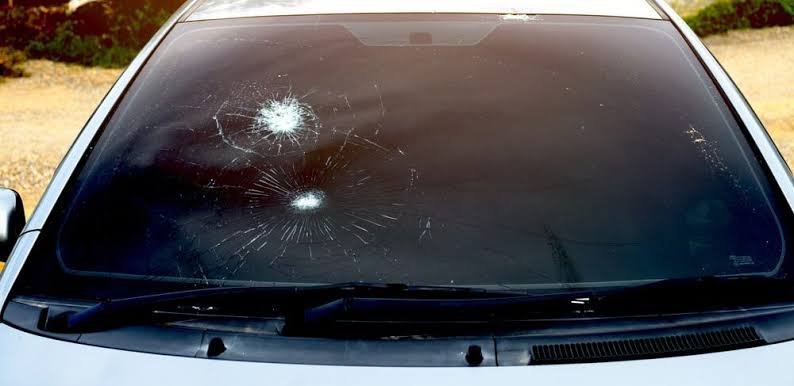
Which Type of Insurance Covers a Windshield?
The first thing to check is the type of motor insurance you have.
Third-Party Insurance
Third-party motor insurance protects against specified liabilities arising from injury, death or property damage suffered by another person.
It does not normally cover accidental damage to your own car, including your windshield. HDFC ERGO specifically notes that third-party insurance will not cover windshield repair or replacement.
Therefore, if you have only the legally mandatory third-party policy and a stone cracks your windshield, you would normally have to pay for the repair yourself.
Comprehensive Insurance
A comprehensive motor policy includes third-party protection as well as own-damage cover.
Windshield damage caused by an insured event can therefore generally be claimed under the own-damage section. Tata AIG states that its comprehensive and own-damage policies cover windshield damage and identifies accidents, falling branches, hail, flying stones or debris and vandalism among circumstances in which windshield damage may be covered.
Standalone Own-Damage Insurance
If you already have separate third-party insurance, you may purchase standalone own-damage insurance where eligible.
This can also provide protection for your own vehicle, including eligible windshield damage.
What Types of Windshield Damage Are Usually Covered?
The cause of damage matters.
Examples that may qualify under an own-damage or comprehensive policy include:
- A stone or pebble hitting the windshield while driving
- Collision with another vehicle
- Damage caused by a falling tree or branch
- Hailstorm damage
- An object accidentally falling on the windshield
- Damage caused by an animal collision
- Vandalism or malicious damage
- Certain natural or man-made events covered by the policy
Tata AIG specifically lists many of these situations as examples of windshield damage that may fall within comprehensive coverage.
This means you do not necessarily need to have a major road accident before claiming windshield insurance.
A single stone striking the glass may be enough if the resulting damage is otherwise covered.
Repair or Replacement: What Will Insurance Pay?
Not every damaged windshield needs replacement.
A small chip can sometimes be repaired before it develops into a larger crack. A long crack or badly shattered windshield may require complete replacement.
The insurer or authorised repair centre will generally assess the damage and determine whether repair or replacement is appropriate.
With an admissible comprehensive or own-damage claim, the insurer can contribute toward the eligible repair or replacement cost according to the policy conditions.
However, you may still have to pay the applicable deductible.
Do You Have to Pay a Deductible?
Usually, an own-damage claim can involve a deductible—the portion of an admissible claim that you must bear yourself.
There may also be a voluntary deductible if you selected one while purchasing the policy.
Tata AIG advises vehicle owners to compare the windshield repair or replacement cost against the deductible before filing a claim.
For example, suppose:
Windshield repair cost: ₹2,000
Amount you effectively have to bear under the claim: ₹1,000 or more
In such a case, making an insurance claim may provide relatively little financial benefit.
Now suppose:
Windshield replacement: ₹30,000
The claim may be much more worthwhile.
This is why every small chip does not necessarily need to become an insurance claim.
Is Zero-Depreciation Cover Necessary for a Windshield?
Not necessarily.
One useful point about motor insurance is that glass can be treated differently from several other car parts for depreciation purposes.
Tata AIG’s current explanation of standard motor-claim depreciation lists nil depreciation for glass parts, compared with 50% for rubber, nylon and plastic parts and 30% for fibreglass components.
Therefore, a zero-depreciation add-on should not automatically be viewed as essential simply for an ordinary glass-only windshield replacement.
However, modern windshield repairs can involve more than glass. Sensors, mouldings, plastic components, cameras and associated parts may be involved, and policy conditions can differ.
A zero-depreciation add-on can still reduce depreciation deductions on eligible non-glass parts where applicable.
Will a Windshield Claim Affect Your No Claim Bonus?
This deserves attention before filing a small claim.
A No Claim Bonus, or NCB, is a discount earned on the own-damage premium for claim-free policy years. HDFC ERGO notes that the NCB applies to the own-damage component and can increase with consecutive claim-free years.
An ordinary own-damage claim can potentially affect your NCB.
However, some insurers offer special provisions or NCB-protection add-ons under which certain glass-only claims do not affect the bonus.
For example, Tata AIG’s current add-on information states that under its NCB Protection cover, claims relating only to windscreen or glass can be excluded from affecting NCB, subject to the add-on’s terms.
This is not a universal rule.
Before making a claim for a ₹3,000 or ₹4,000 repair, ask the insurer whether the claim will affect your NCB. Losing a valuable renewal discount may make a small claim uneconomical.
When Might Windshield Damage Not Be Covered?
Insurance is designed to cover specified accidental risks, not every problem that develops in a windshield.
A claim may face problems where the loss falls outside the policy conditions—for example, where damage is connected with normal deterioration rather than an insured event.
Likewise, if the damage existed before the policy began or the claim circumstances violate policy conditions, coverage may not apply.
Manufacturing defects are also different from accidental damage. A defect in the glass may be a matter for the vehicle or glass manufacturer’s warranty rather than a motor insurance claim.
The safest approach is to identify what caused the crack, rather than simply reporting that the windshield is damaged.
Do You Need an FIR for a Windshield Claim?
Usually, a simple accidental chip or crack caused by road debris may not require the same police documentation as a theft or serious criminal incident.
However, where the windshield is damaged through vandalism or another criminal act, an FIR may be required. Tata AIG specifically advises filing an FIR before initiating a windshield claim involving vandalism.
Always check with your insurer before arranging repairs because documentation requirements can vary according to the incident.
Cashless or Reimbursement: Which Is Better?
If your insurer has a network garage or authorised glass-repair facility, a cashless claim can be convenient.
The insurer settles the admissible amount directly with the network repairer, while you pay deductibles and other non-covered expenses.
Tata AIG describes both cashless and reimbursement routes for windshield claims. Under reimbursement, the policyholder pays first and subsequently submits the claim documents; under cashless settlement, eligible repair costs are settled with the network garage.
The important rule is: inform the insurer before getting the windshield replaced whenever possible.
Do not replace the glass first and assume reimbursement will automatically follow.
Should You Claim Insurance for Every Windshield Crack?
No.
Before raising the claim, compare:
Repair or replacement cost
against
Deductible + possible NCB loss + other out-of-pocket expenses
Suppose a chip can be repaired for ₹1,500. Paying for it yourself may make more sense than opening an own-damage claim.
But if an advanced windshield containing camera or sensor equipment costs tens of thousands of rupees to replace, using insurance may be far more valuable.
Tata AIG similarly advises comparing repair costs with deductibles and considering the possible effect on NCB before claiming minor windshield damage.
What Should You Do After the Windshield Is Damaged?
Take a few practical steps:
Photograph the damage immediately.
Pictures can help establish the nature and extent of the damage.
Contact the insurer before repair.
Ask whether inspection or claim approval is required.
Check whether your garage is in the cashless network.
This can simplify settlement.
Ask whether the claim affects NCB.
This is particularly important for inexpensive repairs.
Compare repair versus replacement.
A small chip repaired early can sometimes prevent a much larger expense.
Keep all bills and documents.
They will be necessary if you use reimbursement.
The Bottom Line
Yes, windshield damage is generally covered by comprehensive car insurance and standalone own-damage insurance in India. Third-party-only insurance does not normally pay for damage to your own windshield.
A claim may cover repair or replacement where the windshield is damaged by an insured event such as a collision, falling object, hail, road debris or vandalism.
But don’t automatically claim every small crack.
Check the deductible, repair cost and possible impact on your No Claim Bonus first. For a minor chip, paying yourself can sometimes be cheaper in the long run. For an expensive windshield replacement, especially on a modern car, insurance can save a substantial amount.
FAQs
Q1. Is a cracked windshield covered if a stone hits it on the highway?
Yes, an accidental crack caused by a stone or road debris can generally be covered under comprehensive or own-damage insurance, subject to the policy conditions. Tata AIG specifically identifies pebbles or debris striking the windshield while driving as a covered example.
Q2. Does insurance cover rear windshield and window glass too?
Own-damage coverage can extend beyond the front windshield to eligible accidental damage involving vehicle glass, depending on the policy. Check the exact wording for side windows, rear glass, sunroof or panoramic glass because specialised glass components may have different conditions.
Q3. Can I claim insurance for only windshield damage without any other car damage?
Yes. A windshield-only claim can be possible under own-damage or comprehensive insurance. Some insurers even have special provisions under which certain glass-only claims can receive different NCB treatment, although this varies by product.
Q4. Should I repair a small windshield chip instead of replacing the glass?
Often, yes, if a professional determines that the chip can be safely repaired. Repair can cost substantially less than complete replacement and may make an insurance claim unnecessary. However, a crack affecting visibility or structural safety should be assessed promptly rather than ignored.