A flower shop often begins with a simple skill: choosing fresh stems, arranging colours well and understanding what a customer wants to express. Orders may come from a neighbourhood market, a wedding booking or a small catalogue shared online. Because the products seem uncomplicated, it is easy to assume that the business needs no formal paperwork at all.
In India, a flower shop may operate without incorporating a company, but that does not mean it can ignore every form of registration or permission. Local shop requirements, permission to use the premises, street-vending rules and tax obligations must be checked separately. The answer depends on what “registration” means and how the flowers are being sold.
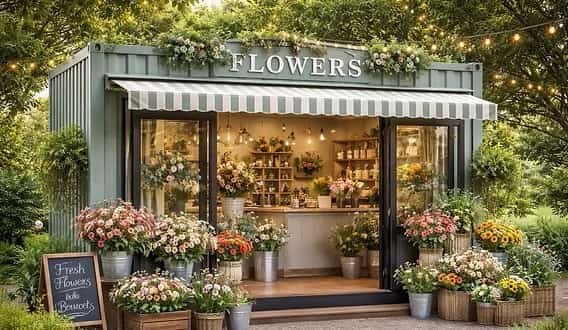
A fixed retail shop, a roadside stall and a florist working from home can have different requirements. Establishing the right category at the beginning is more useful than collecting certificates that do not address the actual business.
Company Registration Is Not the Same as Shop Registration
An individual can run a flower business as a sole proprietor without creating a separate company. The owner and the business are not separate legal persons in the way a company and its shareholders are.
However, a proprietor still needs to comply with the rules applying to the activity and location. Depending on the state and municipality, a shop may need a trade licence, Shops and Establishments registration or intimation, or other local permission. A company certificate would not replace these requirements either.
When asking whether registration is necessary, identify the document being discussed. Company incorporation, local shop registration, GST registration, Udyam recognition and trademark registration each serve a different purpose. They should not be presented as a single compulsory package for every florist.
Check the Shop Premises Before Paying a Deposit
Before renting a space, confirm that retail use is permitted and that the owner can provide the documents needed for the applicable local approvals. Check the lease for restrictions on signage, deliveries, refrigeration and work outside the premises.
A flower shop may use relatively simple equipment, but its operation still affects the building. Buckets, discarded stems, wrapping material and water spills need space and an orderly disposal arrangement. Displaying stock on a pavement or common passage can raise a separate issue from operating inside the shop.
Ask the municipality or market authority what is permitted at the exact location. A nearby shop’s practice is not reliable proof that the same arrangement is lawful for a new tenant.
A Roadside Flower Stall Has Different Requirements
Selling from public space should not be treated as a free alternative to a registered shop. Street vending is governed by a separate framework, including local vending arrangements and certificates issued through the relevant process.
Check with the urban local body or Town Vending Committee about eligibility, permitted locations and conditions. A vending certificate does not amount to unrestricted permission to occupy any convenient pavement, entrance or road junction.
For example, a florist allowed to sell within a designated market should not assume that the same permission covers a stall outside a nearby temple. The location and conditions of the authorisation matter. Keep passages clear and follow the applicable rules on timings, waste and display space.
Can Flowers Be Sold From Home
A florist may prepare bouquets at home where the activity is permitted, but a residential address does not automatically qualify for commercial use. Check the lease, housing-society rules and local planning conditions before arranging regular customer collections or storing substantial stock.
The proposed scale matters. A person assembling a few pre-booked bouquets has a different setup from a home converted into a busy retail counter with workers, vehicles and daily walk-in customers. Describe the actual operation when requesting local guidance.
Selling through social media does not remove these premises obligations. Online orders still require somewhere to receive flowers, prepare arrangements and hand products over to customers or delivery staff.
When GST Registration Needs Attention
GST registration is a separate question from permission to open the shop. A person dealing exclusively in wholly exempt supplies may fall outside compulsory registration under the relevant GST provision. Fresh natural flowers can fall within exempt classifications, but the exact product and supply must be checked.
A florist may also sell taxable goods or provide services. Artificial flowers, gift products and event-decoration contracts should not automatically be treated like a sale of fresh stems. Once the business mixes activities, its registration and tax position needs a broader review.
Keep records of the different categories of income. Have an accountant check the products, contracts, turnover and any online-platform arrangements before deciding whether registration is required. Do not charge customers an amount described as GST without the necessary registration and legal basis.
Udyam and Trademark Registration Have Separate Roles
An eligible flower business may use Udyam registration for MSME recognition and the benefits for which it qualifies. Udyam is not a municipal permission to operate a shop, and its absence is not the same issue as failing to obtain a mandatory local licence.
Trademark registration concerns protection of a brand. It is not a universal condition for starting a flower shop. Even so, choose a name carefully and avoid copying another business’s branding or creating the impression of an association that does not exist.
Before paying an agent, ask which document is legally required for the specific activity and which is being suggested for business convenience. Request a clear explanation of government charges and professional fees.
Adding Gifts or Plants Can Change the Position
A flower-only shop should reassess its obligations before adding other product lines. Selling food hampers, chocolates or cakes can bring food-business requirements. Growing or selling nursery stock may raise separate questions under the relevant state’s nursery framework. Imported plants and planting material require their own assessment.
Treat expansion as a change in the business description rather than simply a larger display. A local permission obtained for flower retail should not be assumed to cover food preparation or unrelated regulated goods.
If gifts are sourced from outside suppliers, keep invoices and product details. A florist remains responsible for accurately describing what the customer is buying.
Keep Orders and Customer Expectations Clear
Flower quality and availability can vary, particularly when an order is placed well before an event. Explain the arrangement, approximate size, delivery time and any substitution policy before taking payment.
A useful order record should include:
- The flower varieties and colours agreed with the customer.
- The delivery address, contact details and time window.
- The price, delivery charges and payment received.
- Whether substitutions require the customer’s approval.
- The process for a late, damaged or incorrect delivery.
For event work, record setup access, removal arrangements and any equipment supplied on hire. These practical records do not replace registration, but they help the florist deliver the service promised. Before opening, confirm the requirements for the actual premises and sales model, then keep those approvals aligned with how the shop develops.