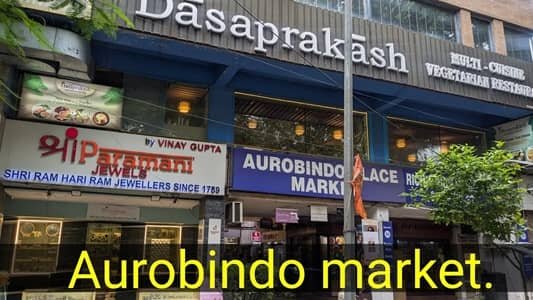
Aurobindo Market in South Delhi is one of those neighbourhood markets that has quietly grown into something much larger than its original purpose. What began as a local commercial complex serving the residential areas of Hauz Khas and Safdarjung has over the decades evolved into a diverse, well-patronised market that attracts students, young professionals, families, and bargain hunters from across South Delhi. It sits at the intersection of everyday utility and urban character in a way that few Delhi markets manage.
The market is known for garments, fabrics, tailoring, electronics, books, street food, household goods, furniture, and a wide range of daily and lifestyle needs. It serves the dense residential and institutional population of the surrounding areas including Hauz Khas, Safdarjung Enclave, Green Park, and IIT Delhi. Aurobindo Market is located on Aurobindo Marg, near Hauz Khas, South Delhi, with the pin code 110016.
History of Aurobindo Market Delhi
Aurobindo Market’s development is tied to the growth of South Delhi as a major residential and institutional zone through the 1960s and 1970s. The area around Hauz Khas, Safdarjung, and Green Park expanded steadily as planned colonies came up to house government employees, academics, and professional families. As this population grew, the need for a well-stocked local market became clear and Aurobindo Market emerged to fill that role along the busy Aurobindo Marg corridor.
The market was named after the road it sits on, which in turn is named after Sri Aurobindo, the philosopher and independence movement figure. Over the following decades the market grew in size and variety, with traders establishing long-term businesses across garments, fabrics, electronics, and general goods. The proximity of IIT Delhi, AIIMS, and several prominent schools and colleges gave the market a steady base of student and academic customers alongside its residential buyer base. That student-friendly character shaped the market’s pricing culture and its product mix significantly.
By the time South Delhi’s upscale commercial zones like GK, Defence Colony, and Khan Market established themselves, Aurobindo Market had already carved a distinct identity as an affordable, practical alternative with genuine variety and accessible pricing.
Location of Aurobindo Market Delhi
Aurobindo Market is located on Aurobindo Marg in the Hauz Khas area of South Delhi. The market complex and the surrounding commercial stretch fall under the South Delhi district and the SDMC administrative zone. The pin code for the area is 110016.
The location is one of the market’s strongest assets. Aurobindo Marg is a major arterial road connecting Central Delhi to the southern parts of the city. The market sits at a natural midpoint that is accessible from Hauz Khas, Safdarjung, Green Park, IIT Delhi, AIIMS, and the Ring Road network. This central positioning within South Delhi’s institutional and residential belt gives the market a large and diverse daily footfall.
IIT Delhi Metro Station and Hauz Khas Metro Station on the Yellow Line are both within accessible distance, making the market reachable from across Delhi without a private vehicle. DTC buses on the Aurobindo Marg corridor stop near the market, and auto-rickshaws and app-based cabs are widely available given the busy road location.
Shops in Aurobindo Market Delhi
Aurobindo Market has a well-rounded and varied mix of shops spread across its multi-level structure and surrounding lanes. The market includes garment and readymade clothing shops, fabric and cloth stores, tailoring and alteration units, electronics and mobile shops, computer and IT accessory dealers, bookshops and stationery stores, furniture and home decor shops, household goods vendors, sports goods shops, optical stores, medical and pharmacy outlets, salon and beauty parlours, and a busy concentration of street food stalls and small restaurants.
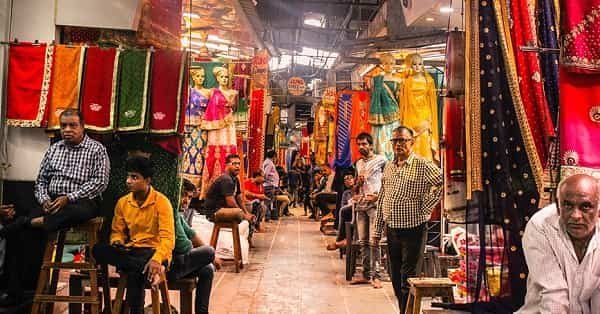
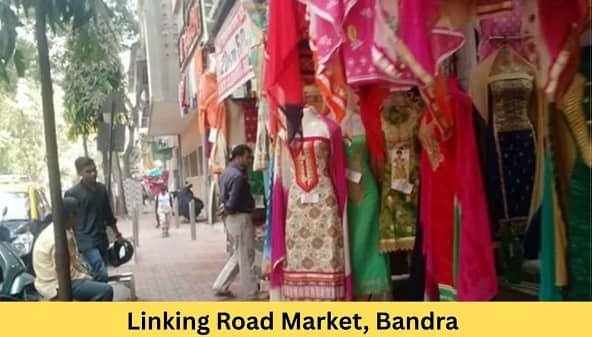
The garment and fabric section is among the most visited. Shops carry a wide range of cotton fabrics, dress materials, curtain cloth, upholstery fabric, and readymade ethnic and western wear at prices significantly lower than mall retail. Tailoring units attached to or located near fabric shops offer stitching and customisation services, making the market a one-stop destination for fabric buyers.
The electronics and computer accessories section is particularly popular with students from IIT Delhi and nearby institutions who come for components, peripherals, cables, storage devices, and repair services at competitive prices. The bookshops carry academic texts, competitive exam guides, general reading material, and stationery that cater to the student-heavy customer base of the area.
What Is Aurobindo Market Delhi Famous For?
Aurobindo Market is most famous for its fabric and garment trade combined with its strong student-friendly pricing across almost every product category. Its ability to serve both everyday household needs and more specific requirements like electronics, furniture, and tailoring under one accessible location is what keeps its customer base loyal and diverse.
Apart from fabrics and garments, the market is also known for:
- Cotton and synthetic dress materials
- Curtain and upholstery fabrics
- Readymade ethnic and casual wear
- Affordable electronics and computer accessories
- Academic and general books
- Furniture and home furnishing
- Sports goods and equipment
- Street food and budget dining
- Household and kitchen supplies
- Tailoring and stitching services
South Delhi’s mix of academic institutions, government residential colonies, and professional families creates a demand profile that Aurobindo Market serves particularly well. Students want affordable electronics and books, homemakers want fabric and household goods, and young professionals want both convenience and value. The market delivers across all three without asking buyers to compromise on either variety or price.
Market Timings and Best Time to Visit
Most shops in Aurobindo Market open around 10:00 AM and remain active until 8:30 PM or 9:00 PM. Some vendors and street food stalls begin earlier, from around 8:00 AM, serving the morning crowd from nearby institutions and residential blocks. Many shops observe Sunday as a weekly off or operate reduced hours on that day, though food stalls and some general goods shops remain active through the week.
The best time to visit for relaxed shopping is weekday mornings between 10:30 AM and 1:00 PM when the market is less crowded and shop staff have time to assist properly. Evenings between 5:00 PM and 8:30 PM are the busiest period, drawing post-work and post-college crowds from the surrounding area. Weekend afternoons see heavy footfall, particularly at the garment, fabric, and food sections.
How to Reach Aurobindo Market Delhi
Aurobindo Market is most conveniently reached by taking the Yellow Line metro to IIT Delhi or Hauz Khas Metro Station, both within a short auto or walking distance from the market. From AIIMS, the market is accessible by a brief auto ride along Aurobindo Marg. From Central Delhi and Connaught Place, the Yellow Line provides a direct connection. From South Extension and Greater Kailash, the market is a short cab or auto ride via the Ring Road and Aurobindo Marg junction. DTC buses serving the Aurobindo Marg corridor stop close to the market entrance.
Nearby Places
Aurobindo Market is surrounded by some of South Delhi’s most prominent destinations. Nearby places include IIT Delhi campus, AIIMS, Hauz Khas Village, Hauz Khas reservoir and deer park, Green Park market, Safdarjung Enclave, Safdarjung’s Tomb, and the busy institutional stretch along Aurobindo Marg that includes several schools, coaching centres, and government offices. Visitors combining a trip to Hauz Khas Village with shopping often stop at Aurobindo Market on the same outing.
Final Words
Aurobindo Market is the kind of South Delhi institution that does not need to reinvent itself to stay relevant. It has built its reputation steadily over decades by being consistently useful, honestly priced, and genuinely varied. For the students, families, and professionals who make up the fabric of South Delhi’s residential and academic life, it remains one of the most practical and dependable markets the area has to offer.