You have just bought a car or two-wheeler, and while comparing insurance plans, you notice that third-party insurance is much cheaper than a comprehensive policy. That naturally raises a question: can you legally choose not to buy it?
Third-party motor insurance is mandatory in India under Section 146 of the Motor Vehicles Act, 1988. Every motor vehicle used in a public place must have at least valid third-party liability cover. It protects other people if your vehicle causes an accident resulting in injury, death or damage to their property. However, it does not pay for damage to your own vehicle.
This is the key distinction: the law requires protection against liability to third parties, but it does not make protection for your own vehicle compulsory.
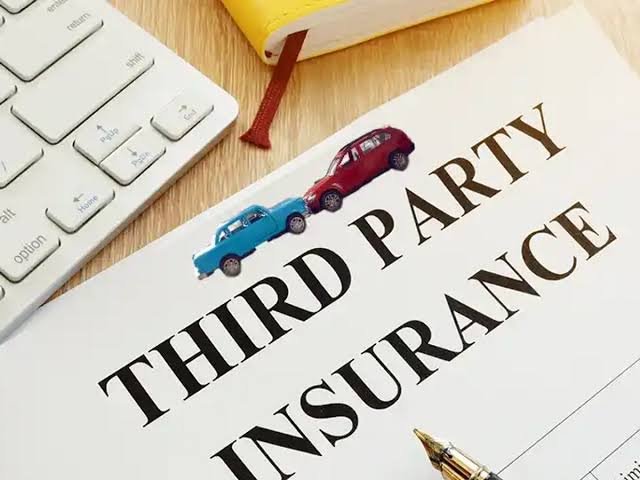
Why Is Third-Party Insurance Mandatory?
A road accident can affect people who have no connection with the vehicle owner. A pedestrian may suffer injuries, another driver may face financial loss, or a passenger may require extensive medical treatment. The person responsible for the accident may not have enough money to pay compensation personally.
Third-party insurance creates a financial protection mechanism in such situations. If the insured vehicle is legally responsible for an accident, the insurer can handle the admissible third-party liability according to the law and the policy terms. This reduces the risk that an accident victim will be left without compensation merely because the vehicle owner cannot afford it.
The requirement also encourages vehicle owners to take responsibility before using a motor vehicle in a public place. It is not simply an optional financial product chosen for convenience.
What Does Third-Party Insurance Cover?
A third-party policy is designed to cover your legal liability towards other people. Its main areas of protection are:
- Death or bodily injury caused to a third party in an accident involving the insured vehicle
- Damage caused to another person’s vehicle or property, subject to applicable limits and policy conditions
- Legal liability arising from the use of the insured vehicle on public roads
The phrase “third party” refers to someone other than the insurer and the insured. In practical terms, it can include another driver, a pedestrian, a cyclist, a passenger or the owner of damaged property, depending on the circumstances of the accident.
The amount payable and the claims process depend on the nature of the injury or loss, legal findings, policy documents and the decision of the relevant authority or tribunal. A third-party policy should therefore not be viewed as a fixed cash benefit paid automatically after every accident.
What Does Third-Party Insurance Not Cover?
Third-party insurance is limited in scope. It generally does not pay for damage to your own car or two-wheeler after an accident. It also does not normally cover theft, fire, flooding, storms, vandalism or repairs required because of accidental damage to your own vehicle.
It also should not be confused with personal accident protection for the owner-driver. Owner-driver personal accident cover is a separate component and may be required or already available through another qualifying policy, subject to the applicable rules. Always check whether you already have such cover before paying for duplicate protection.
If you want protection for your own vehicle, you need own-damage cover or a comprehensive/package policy.
Is Comprehensive Insurance Also Mandatory?
No. Comprehensive insurance is not mandatory under the Motor Vehicles Act merely because you own a vehicle.
A comprehensive or package policy normally combines third-party liability cover with own-damage protection. Depending on the policy, the own-damage section may cover accidental damage, theft, fire, natural disasters and certain other risks. Add-ons such as zero depreciation, roadside assistance or engine protection may be available at an additional premium.
Although optional by law, comprehensive cover can be sensible for a new, expensive or frequently used vehicle. If the vehicle is financed, the lender may also require adequate own-damage protection as a condition of the loan. That is a contractual requirement from the lender, not the same as a legal requirement applicable to every vehicle owner.
Third-Party Policy or Comprehensive Policy: Which Should You Choose?
The right choice depends on what you want the policy to protect.
Third-Party-Only Policy
This is the minimum legal cover. It is usually cheaper and may be suitable for an old vehicle with a low market value, especially when the owner is prepared to pay for repairs personally. It will not protect the vehicle itself.
Comprehensive or Package Policy
This includes the mandatory third-party section along with own-damage protection. It generally costs more, but it can reduce the financial burden if your own vehicle is damaged, stolen or affected by a covered event.
A comprehensive policy does not mean every loss will be paid in full. Deductibles, depreciation, exclusions, policy limits and add-on conditions can affect the final claim amount.
What Happens If You Drive Without Third-Party Insurance?
Driving an uninsured vehicle is a violation of the Motor Vehicles Act. If you are stopped for checking, you may face a penalty under Section 196. The law also provides for possible imprisonment in addition to a fine, depending on the offence and the applicable legal provisions.
The financial risk can become much more serious if the uninsured vehicle causes an accident. You may have to defend the claim and meet the legally payable third-party compensation from your own resources. A major injury or death can create a liability far greater than the amount saved by avoiding the insurance premium.
A lapsed policy can also create practical problems during vehicle checks, renewal, transfer or a claim-related process. Never assume that a policy continues automatically after its expiry date.
How Long Is Third-Party Insurance Valid?
The validity period depends on the type of vehicle and the policy purchased. For new private cars, third-party cover is generally issued for three years. For new two-wheelers, it is generally issued for five years. Existing vehicles may have annual renewals or another period stated in the policy schedule.
The third-party component and the own-damage component may not have the same duration. For example, a new vehicle can have long-term third-party protection while the own-damage section is renewed separately. Check the expiry date of each section instead of relying only on the date shown in an old message or receipt.
What Should You Check Before Buying or Renewing?
Before purchasing or renewing motor insurance, ask the insurer or intermediary to confirm:
- Whether the third-party policy is active on the date you intend to drive
- The exact start date and expiry date of the third-party cover
- Whether the policy is third-party-only or a comprehensive/package policy
- The owner-driver personal accident cover available to you
- The deductible, exclusions and add-on conditions under any own-damage section
- The documents required for a claim or policy transfer
Keep a digital copy of the policy and make sure the vehicle registration number, engine number and chassis details are correct. A small error in the policy record can create avoidable trouble during an accident or renewal.
The Bottom Line
Third-party insurance is mandatory for every motor vehicle used on public roads in India. It protects you against eligible legal liability towards other people when your vehicle causes injury, death or property damage.
Comprehensive or own-damage insurance is not compulsory by law, but it can protect your own vehicle against accidents, theft and other insured risks. If you are buying only the minimum cover, remember that you are complying with the law but accepting the cost of damage to your own vehicle.
The safest approach is to keep the third-party policy active at all times and choose own-damage protection according to the vehicle’s value, your budget and your ability to absorb a major repair or replacement cost.
FAQs
Q1. Is third-party insurance mandatory for an old vehicle?
Yes. The age of the vehicle does not remove the requirement when it is being used on a public road. The vehicle must have valid third-party insurance even if its market value has fallen considerably.
Q2. Can I buy only third-party insurance for my car?
Yes. Third-party-only insurance is the minimum legal cover. You can choose it if you do not want own-damage protection, but repairs to your own car after an accident will generally have to be paid from your own pocket.
Q3. Does third-party insurance cover the driver’s injuries?
Not in the same way as owner-driver personal accident cover. Third-party insurance primarily covers legal liability towards other people. Check the separate personal accident section and confirm whether you already have valid owner-driver protection.
Q4. Can I drive a vehicle if the insurance expired yesterday?
No. Once the policy has expired, the vehicle should not be driven on public roads until valid cover is renewed. Renew it before driving and check the new policy’s start date carefully, especially after a break in insurance.