An online grocery order starts with a shopping list, but completing it involves much more than a website and a delivery bag. Rice must match the quantity ordered, chilled products need suitable handling, and customers should be able to see what they are paying for before checkout. Behind a convenient service is a business responsible for the food, the information on the screen and the way an order reaches the household.
An online grocery business is legal in India when it meets the food-safety, business, consumer-protection and other requirements that apply to its model. There is no general exemption simply because the store operates through an app, website or social-media account. Equally, not every online seller has the same role or needs the same combination of permissions.

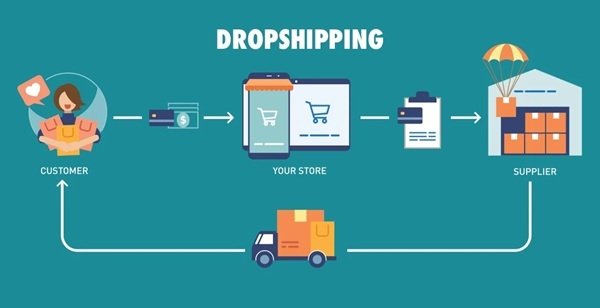
The first step is to decide whether the business will sell its own stock, list products from other sellers, or operate an existing grocery shop through an established platform.
Identify the Business Model Before Applying
An inventory-based grocery business owns the stock it sells. It may store products at a shop, warehouse or delivery facility. A marketplace brings customers and independent sellers together, while an existing retailer may simply offer its goods through someone else’s platform.
These distinctions affect licensing, premises requirements and responsibility for product information. Write down who owns the food, where it is stored, who invoices the customer and who fulfils the order.
Choose a legal structure suitable for that model, including any requirements applying to an e-commerce entity under the Consumer Protection rules. The structure suitable for a small seller using a marketplace should not automatically be assumed suitable for operating the marketplace itself.
FSSAI Compliance Is Central to the Operation
Food businesses must hold the applicable FSSAI registration or licence unless a specific exemption applies. An e-commerce operator facilitating food orders through its own platform generally requires a Central FSSAI licence under the e-commerce framework. Sellers on that platform need their own applicable food-business registration or licence.
The platform’s licence does not automatically cover an independent seller’s shop, and a shop’s food registration should not be assumed to authorise operating a separate food-ordering platform. Warehousing, packing and other activities must also be correctly reflected in the approvals for the relevant premises.
Describe the full operation when checking eligibility through FoSCoS. A business operating from several addresses should confirm how each location and activity needs to be covered before accepting orders.
Use the Revised Food Business Thresholds Correctly
From 1 April 2026, the general turnover bands for new FSSAI applications are registration up to Rs. 1.5 crore, State licensing above Rs. 1.5 crore and up to Rs. 50 crore, and Central licensing above Rs. 50 crore. The reforms also introduced perpetual validity, subject to suspension, cancellation or surrender and continuing compliance. Applicable fee obligations remain.
These general bands should not be used to overlook special categories such as an e-commerce platform. Check the actual kind of business and licensing jurisdiction rather than selecting registration solely because initial sales are low.
A new seller should avoid relying on old articles that present Rs. 12 lakh as the current general registration ceiling. An existing business should follow the applicable migration process instead of assuming that its certificate has already changed category.
Check the Storage and Packing Premises
Food stored for online orders needs appropriate premises even where customers never visit. Confirm permitted use, local trade requirements and any relevant building or fire conditions before renting a warehouse or using a residential room.
Arrange storage according to the products. Chilled and frozen goods need conditions suitable for their labelled requirements. Dry groceries need protection from moisture, pests and contamination. Cleaning chemicals and other non-food products should not be allowed to contaminate food during storage, picking or delivery.
If bulk goods are divided into smaller retail packs, check the food-packing and legal-metrology requirements. Repacking changes the operator’s responsibilities; it is more than placing a supplier’s finished packet inside a delivery bag.
Product Listings Must Match What Is Delivered
Customers should be able to identify the product, quantity, selling price and relevant food information before ordering. Display the required seller and FSSAI details, and ensure that online claims agree with the physical product label.
Avoid using a photograph of one pack size to sell another without a clear explanation. Do not describe an ordinary product as organic, sugar-free or suitable for a particular dietary need unless the claim is lawful and supported.
Keep a process for updating listings when suppliers change packaging, ingredients or pack sizes. A catalogue copied once and left unchanged can become misleading even when the original entry was accurate. Check the applicable labelling and online-display requirements for each product category.
Delivery Is Part of Food Safety
A product that was safe in storage can become unsuitable during delivery. Plan delivery times, handling and temperature control according to the goods rather than making a speed promise that the operation cannot reliably meet.
Train delivery personnel in safe handling and keep food separate from potentially contaminating non-food items. Check expiry and remaining shelf life before dispatch under the applicable requirements. Do not use a single fixed shelf-life rule for fresh produce, frozen food and long-life packaged groceries without considering the category.
Maintain a way to identify affected customers if a product is recalled or found unsafe. Supplier invoices, batch information and order records should allow the business to trace where the relevant stock went.
Make Charges and Complaint Handling Clear
Show delivery fees, handling charges and other payable amounts before the customer confirms the order. Provide accessible contact details and a complaint process. Cancellation, refund and substitution terms should be easy to find and consistent with consumer law.
A policy for perishable goods does not give a seller permission to refuse every complaint about damaged, unsafe, wrongly supplied or misdescribed products. Record the complaint and investigate what happened.
For example, if a selected brand of cooking oil is unavailable, obtain the customer’s agreement before substituting a different product. A hurried delivery should not override the choice made at checkout.
Set Up Records Before the First Order
Prepare a working record system covering:
- Supplier identity, invoices and applicable food-business details.
- Stock receipt, batch information and expiry checks.
- Storage checks appropriate to the products handled.
- Customer orders, invoices, refunds and substitutions.
- Product complaints, withdrawals and corrective action.
Have an accountant assess GST based on the products, turnover, supply locations and marketplace arrangements. Food registration and GST registration are separate obligations. Protect customer addresses and contact details with appropriate access controls, and collect only information needed for the service and lawful business purposes.
Start with a product range and delivery area the business can handle consistently. Before adding a warehouse, introducing repacking or expanding into a new category, check whether the approvals and operating arrangements need to change. A dependable grocery service is built by keeping the food, the listing and the completed order in agreement.