A few years ago, smart home technology in India was considered a luxury category mainly limited to high-end villas and tech enthusiasts. Most households relied on traditional switches, locks, appliances, and security systems without much automation.
Today, the situation is changing rapidly.
Voice-controlled lights, smart door locks, Wi-Fi cameras, video doorbells, smart speakers, automated curtains, app-controlled appliances, and home-security systems are becoming increasingly common in urban Indian homes.
At the same time, rising smartphone usage, affordable internet access, growing middle-class income, and interest in modern lifestyle convenience are pushing smart-home adoption faster than before. Brands like Xiaomi, Amazon, Google, Philips, and CP Plus have helped make smart devices more mainstream.
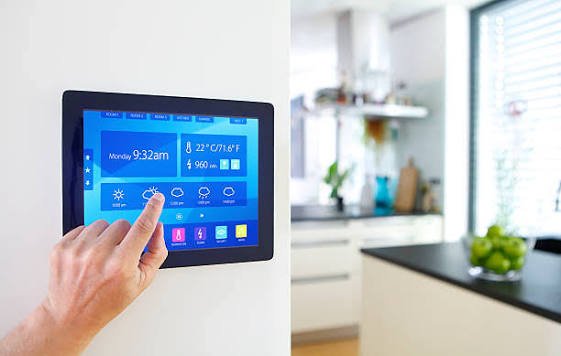
This shift has transformed smart-home retail into one of India’s fastest-growing consumer-electronics and lifestyle businesses.
Unlike ordinary electronics retail focused mainly on product sales, smart-home businesses often combine retail, installation, customization, and after-sales technical support.
A Business Connected to Technology and Modern Lifestyle Trends
India’s smart-device market continues expanding steadily every year.
Several factors continue driving smart-home demand:
- Growth of urban middle-class consumers
- Rising apartment and gated-community living
- Expansion of home-security awareness
- Increasing smartphone and IoT adoption
- Interest in automation and convenience
- Growth of premium lifestyle spending
Many younger consumers today view smart devices as part of modern living rather than luxury gadgets.
Types of Smart Home Retail Businesses
Smart Security Device Store
CCTV cameras, smart locks, alarms, and video doorbells.
Home Automation Retail Business
Automated lighting, curtains, switches, and sensors.
Smart Appliance and Gadget Store
Wi-Fi-enabled appliances and connected devices.
Premium Smart Home Showroom
Luxury home-automation experience centers.
Online Smart Device Store
Website and e-commerce-based smart-tech retail.
Smart Home Installation Service Business
Retail combined with setup and technical support services.
Investment Required: Moderate
Smart-home retail businesses require inventory, demo setups, and technical-service capability.
A small retail setup may require ₹5–20 lakh including:
- Product inventory
- Demo displays and showroom setup
- Installation tools
- Website and digital marketing
- Staff and technician setup
A premium smart-home experience center may require ₹50 lakh–₹5 crore or more depending on scale and location.
Product demonstration and customer education are extremely important in this business.
Revenue and Profit Potential
Smart-home retail can become highly profitable because technology products often carry strong margins and upselling opportunities.
Revenue sources may include:
- Smart-device sales
- Installation and setup charges
- AMC and maintenance services
- Home-automation projects
- Security-system contracts
- Accessories and upgrades
For example:
- Smart-security products often generate recurring upgrade demand.
- Installation services improve profit margins significantly.
- Premium home-automation projects can create very high-value orders.
A well-positioned smart-home business can generate strong monthly revenue. Net profit margins generally range between 15–35% depending on product mix, installation capability, and branding.
Businesses combining retail with technical service often perform especially well.
What Makes This Business Successful
Product Knowledge and Technical Expertise
Customers expect guidance before purchasing.
Good Demonstration Experience
Seeing products in action strongly improves sales conversion.
Reliable Installation and Support
After-sales service builds long-term trust.
Strong Online Presence
Tech buyers heavily research online before purchasing.
Understanding Consumer Needs
Security, convenience, and energy savings influence buying decisions.
Challenges to Prepare For
Rapid Technology Changes
Devices and software evolve very quickly.
Consumer Awareness Gap
Many buyers still lack understanding of smart-home systems.
High Competition From Online Platforms
Customers often compare prices online instantly.
Product Compatibility Issues
Different ecosystems may not integrate smoothly.
After-Sales Technical Problems
Support and troubleshooting require skilled technicians.
Businesses that focus on service quality and customer education usually build stronger long-term reputation than pure discount sellers.
How to Increase Profitability
Add Installation and AMC Services
Recurring support improves stable income.
Focus on Smart Security Products
Security demand is growing rapidly in urban areas.
Partner With Builders and Interior Designers
New apartments and villas create large opportunities.
Build Experience-Based Showrooms
Live demos increase customer confidence significantly.
Expand Into Corporate and Office Automation
Commercial automation projects often provide larger contracts.
Smart Home Retail vs Traditional Electronics Store
Traditional electronics stores mainly sell standalone appliances and gadgets. Smart-home businesses focus more on connected ecosystems, automation, installation, and integrated customer experience.
This creates stronger premium-service opportunities.
However, technical support expectations are also much higher.
The Future of Smart Home Business in India
The future looks extremely strong. India’s urban housing market, premium apartment culture, smartphone penetration, and digital lifestyle adoption continue expanding rapidly.
At the same time, home security, energy efficiency, voice assistants, and IoT technology are becoming increasingly mainstream among younger consumers.
Smart apartments, AI-driven automation, and connected living systems are also likely to create major opportunities in coming years.
The Verdict
Smart-home retail is no longer limited to expensive automation systems used only in luxury villas. It has evolved into a modern consumer-technology business connected closely to security, convenience, connected living, and digital lifestyle culture.
Entrepreneurs who maintain strong technical knowledge, reliable installation support, effective product demonstrations, and trusted customer relationships often build highly scalable and profitable businesses.
In a country where technology adoption, urban housing, and modern lifestyle spending continue growing rapidly every year, smart-home retail is likely to remain one of India’s strongest future-focused consumer-electronics business opportunities.
Frequently Asked Questions (FAQs)
Q1. Which smart-home products are usually most profitable?
A: Smart security cameras, smart locks, automation systems, and premium home-control devices often provide strong margins.
Q2. Why are smart-home devices becoming popular in India?
A: Because consumers increasingly want convenience, security, automation, and smartphone-controlled living solutions.
Q3. Is installation service important in this business?
A: Very important. Many customers need setup assistance and technical guidance after purchase.
Q4. What is the biggest challenge in smart-home retail business?
A: Keeping up with rapidly changing technology and providing reliable after-sales support are major challenges.
Q5. Can small smart-home retailers compete against large online platforms?
A: Absolutely. Many local retailers succeed through demonstrations, installation services, and personalized support.
Q6. Is smart-home demand limited only to luxury customers today?
A: No. Affordable smart devices are making home automation increasingly accessible to middle-class urban consumers as well.