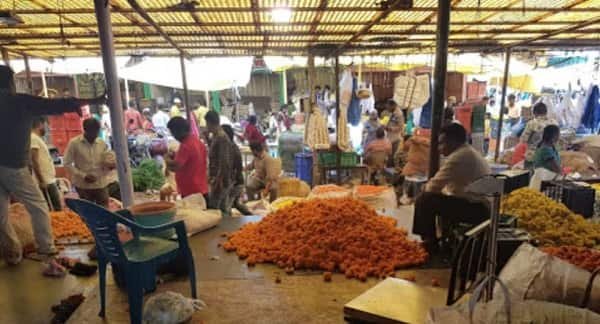
A few years ago, buying second-hand clothes in India was often associated with local flea markets or low-budget shopping. Most consumers preferred brand-new fashion products, and thrift shopping remained a very small niche.
Today, the situation has changed dramatically.
Instagram thrift pages, sustainable-fashion trends, Gen Z shopping habits, influencer culture, vintage fashion, Y2K aesthetics, and rising branded-clothing prices have completely transformed the perception of thrift fashion in urban India.
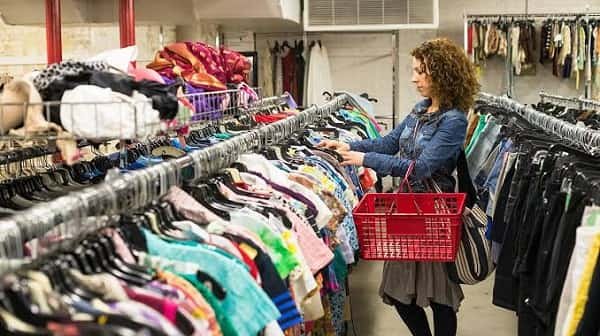
Many young consumers now actively buy pre-owned branded clothing, vintage jackets, oversized tees, sneakers, denim, luxury bags, and unique fashion pieces through online thrift stores. For some buyers, thrift shopping is about affordability. For others, it is about individuality, sustainability, and fashion culture.
This shift has transformed thrift fashion into one of India’s fastest-growing youth-focused online retail businesses.
Unlike traditional fashion stores that depend heavily on fresh manufacturing and large inventory production, thrift businesses often operate through sourcing, curation, styling, and social-media-driven sales.
A Business Connected to Youth Fashion and Sustainable Shopping Trends
India’s fashion and resale economy is evolving rapidly.
Several factors continue driving thrift-fashion demand:
- Rising branded-clothing prices
- Growth of Instagram fashion culture
- Increasing sustainability awareness
- Demand for vintage and unique outfits
- Gen Z and college-student fashion trends
- Expansion of online resale shopping
Many younger buyers today prefer standout fashion pieces instead of mass-produced fast-fashion products.
Types of Thrift Fashion Businesses
1. Instagram Thrift Store
Social-media-based clothing resale business.
2. Vintage Fashion Store
Retro and vintage-inspired fashion collections.
3. Branded Pre-Owned Clothing Business
Reselling branded and premium clothing.
4. Sneaker and Streetwear Resale Store
Limited-edition shoes and street-fashion products.
5. Luxury Thrift Store
Second-hand luxury bags, watches, and designer wear.
6. Sustainable Fashion and Upcycling Brand
Reworked clothing and eco-conscious fashion products.
Investment Required: Very Low to Moderate
One major reason thrift fashion attracts young entrepreneurs is the low startup investment.
A small Instagram thrift store may require ₹20,000–₹2 lakh including:
- Initial clothing inventory
- Photography setup
- Packaging and shipping
- Branding and social-media marketing
- Storage space
A larger curated thrift-fashion business or showroom may require ₹10 lakh–₹2 crore or more depending on scale and positioning.
Many successful thrift stores initially begin from bedrooms or small home setups.
Revenue and Profit Potential
Thrift-fashion businesses can become highly profitable because sourcing costs are often much lower than regular retail fashion.
Revenue sources may include:
- Pre-owned clothing sales
- Vintage fashion collections
- Premium sneaker resale
- Curated fashion drops
- Upcycled clothing products
- Accessories and fashion add-ons
For example:
- Rare vintage products often carry strong margins.
- Branded thrift clothing attracts fashion-conscious buyers.
- Instagram-driven hype can increase pricing significantly.
A well-positioned thrift-fashion business can generate strong monthly revenue. Net profit margins generally range between 25–60% depending on sourcing quality, branding, and audience engagement.
Stores with strong social-media presence often scale especially fast.
What Makes This Business Successful
1. Strong Fashion Sense and Curation
Customers expect unique and stylish selections.
2. Good Product Photography
Visual presentation directly affects online sales.
3. Understanding Youth Trends
Fashion culture changes rapidly among younger audiences.
4. Clean and Quality-Controlled Products
Buyers increasingly expect properly sanitized and well-maintained clothing.
5. Social Media Branding
Instagram and reels marketing are extremely important.
Challenges to Prepare For
1. Trust and Hygiene Concerns
Some customers still hesitate buying pre-owned clothes.
2. Inventory Unpredictability
Unique thrift pieces are harder to source consistently.
3. Heavy Social-Media Competition
Many thrift pages now compete aggressively online.
4. Fast Fashion Trend Changes
Youth fashion preferences evolve quickly.
5. Scaling Difficulties
Thrift inventory cannot always be mass-produced consistently.
Businesses that build strong brand identity and trustworthy quality standards usually survive competition much more successfully.
How to Increase Profitability
1. Focus on Niche Fashion Styles
Vintage, Y2K, oversized streetwear, and Korean fashion often perform strongly.
2. Build Strong Instagram Presence
Reels and aesthetic product photography drive major sales.
3. Add Upcycled and Customized Products
Creative redesigns improve uniqueness and margins.
4. Use Limited-Drop Marketing Strategy
Scarcity increases excitement and engagement.
5. Target College and Urban Youth Markets
Young audiences drive most thrift-fashion demand.
Thrift Fashion Business vs Traditional Boutique Business
Traditional boutiques mainly sell newly manufactured clothing and custom fashion products. Thrift-fashion businesses focus more on curated pre-owned fashion, sustainability, uniqueness, and trend culture.
This creates lower sourcing costs and stronger individuality appeal.
However, inventory consistency and customer trust become more important challenges.
The Future of Thrift Fashion Business in India
The future looks extremely promising, especially among urban Gen Z consumers.
India’s youth fashion culture, sustainability awareness, online resale economy, and influencer-driven shopping behavior continue growing rapidly.
At the same time, many consumers increasingly prefer affordable branded fashion and unique outfits rather than generic fast-fashion products.
Vintage fashion, sustainable clothing, sneaker culture, and upcycled fashion are also likely to create major opportunities in coming years.
The Verdict
Thrift fashion is no longer limited to old local resale markets. It has evolved into a modern social-media-driven fashion business connected closely to sustainability, individuality, streetwear culture, and Gen Z shopping habits.
Entrepreneurs who maintain strong fashion curation, attractive branding, quality control, and engaging social-media presence often build highly profitable online fashion businesses with loyal youth audiences.
In a country where fashion trends, Instagram culture, and conscious consumption continue growing rapidly among younger consumers, thrift fashion is likely to remain one of India’s most exciting emerging lifestyle business opportunities.
Frequently Asked Questions (FAQs)
Q1. Which thrift-fashion categories are usually most profitable?
A: Vintage streetwear, branded clothing, oversized fashion, sneakers, and Y2K-style products often perform strongly.
Q2. Why is thrift fashion becoming popular among young Indians?
A: Because it combines affordability, uniqueness, sustainability, and trendy fashion culture.
Q3. Is Instagram important for thrift-store growth?
A: Extremely important. Most thrift-fashion discovery and sales today happen through social media.
Q4. What is the biggest challenge in thrift-fashion business?
A: Maintaining consistent inventory quality and building customer trust are major challenges.
Q5. Can small home-based thrift stores succeed?
A: Absolutely. Many successful thrift brands started from small Instagram pages with minimal investment.
Q6. Is sustainability helping this business grow?
A: Yes. Many consumers increasingly prefer reusing and recycling fashion products instead of supporting fast-fashion waste.